Kloofing in the Western Cape
What is kloofing?
Kloofing is a South African term for a style of canyoning: working your way down a mountain ravine (a "kloof" in Afrikaans) on foot, combining hiking, scrambling over rock, and often wading or swimming through pools along the way. It's a genuine Western Cape speciality, though the most technical, jump-and-swim versions are typically run by specialist local operators rather than being widely available as a standard tourist booking.
Kloofing is one of the more distinctly South African adventure activities, and the word itself gives it away: a “kloof” is Afrikaans for a ravine or gorge, and kloofing means making your way down one — on foot, scrambling over rock, wading or swimming through pools, sometimes jumping from a ledge into deeper water below. The Western Cape’s mountains are laced with kloofs that lend themselves to exactly this kind of outing. Here’s what it actually involves, and where to realistically book something close to it.
| Where | Mountain kloofs around the Western Cape, including near Stellenbosch and Table Mountain |
| Time needed | A few hours to most of a day, depending on the route |
| Who it’s for | Reasonably fit visitors comfortable with scrambling and water; guided routes suit beginners better than an unguided attempt |
| Getting there | Varies by route; guided tours typically include transport from Cape Town or Stellenbosch |
| Best time | Conditions vary with rainfall — check current conditions with the operator before booking |
What kloofing actually is
At its simplest, kloofing follows the natural line of a mountain ravine downhill, using whatever combination of walking, rock-hopping, wading, and swimming the terrain demands. The more extreme end of the sport, associated with well-known Western Cape kloofs, adds deliberate jumps from rock ledges into pools and natural rock slides, which is what people usually picture when the activity comes up in conversation. It’s a genuinely South African outdoor tradition, closely related to what’s called canyoning elsewhere in the world.
Not every kloof outing involves the jumping and sliding, though. A guided kloof hike — following the ravine on foot with scrambling and possibly some wading, but without the more committing jumps — is the format most widely available to visitors, and it’s a meaningfully gentler proposition while still delivering the core experience of moving through dramatic, water-carved terrain.
Where to actually book it
Being honest about this matters: dedicated, jump-and-swim kloofing day trips aimed specifically at tourists are a smaller, more specialist corner of the Western Cape’s adventure-tourism scene than activities like sandboarding or paragliding, and they’re not heavily represented among the bookable options most visitors will find through standard tour platforms. What is genuinely available and bookable is the guided kloof hike. This guided hike through the Duiwels Kloof near Stellenbosch is a solid example — a route that follows a real Western Cape kloof on foot, giving a proper sense of the terrain without requiring technical canyoning skill.
This Table Mountain route through the Orangekloof to Hell’s Gate is another genuine kloof-adjacent hike, this time on the mountain itself rather than out towards Stellenbosch, and worth considering if you’d rather stay close to the city.
For anyone specifically after the more extreme, jump-and-swim style of kloofing, the honest advice is that this is generally arranged with specialist local adventure operators rather than found as a mainstream affiliate booking — worth researching and confirming directly, with a company whose safety record and local reputation you can verify, rather than assuming any hiking or canyoning tour automatically includes it.
What the terrain and difficulty actually involve
Kloof terrain is uneven by nature — wet rock, uneven footing, sections that require using your hands as much as your feet, and stretches where the ravine narrows and the only way through is in the water. A guided kloof hike manages this with a route and pace suited to visitors, but it’s still a genuinely more demanding outing than a standard trail walk, and reasonable fitness and a comfort with scrambling and getting wet matter more here than for most of the activities on this list.
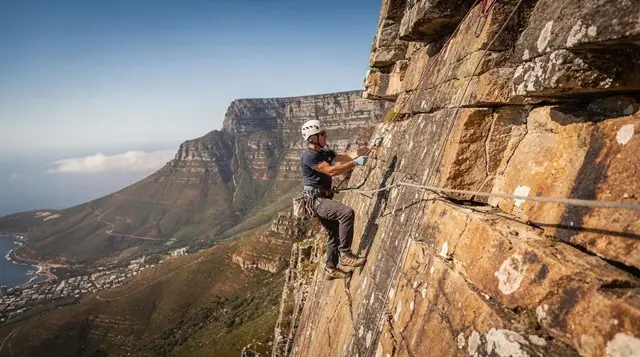
This Table Mountain abseil-and-hike combination gives a taste of the same rock-and-rope skills that come up in more technical kloofing, if you want to build confidence with exposed terrain and guided rope work before considering a more committing route on a future trip.
Weather and water levels
Kloofs are, by definition, shaped by moving water, and how much water is moving through them varies a great deal with the season and recent rainfall. A kloof that’s a gentle, low-water scramble in the dry summer months can carry considerably more force after heavy winter rain, which changes both the difficulty and the safety of the route. This is exactly the kind of judgement call worth leaving to an experienced local guide rather than assessing yourself — a reputable operator will adjust the plan, or cancel outright, based on current conditions rather than running a fixed itinerary regardless of what the kloof actually looks like that day.
A broader Western Cape hiking-adventure day
If a kloof hike is part of a bigger day of exploring the Western Cape’s mountains rather than the sole focus, this mountain-to-sea walking adventure covers a different kind of varied terrain across a single guided route, worth considering alongside a kloof hike if you want more than one style of outdoor activity across your trip.
What the landscape actually looks like along the way
Part of what makes a kloof hike worthwhile, beyond the scrambling and the water, is the setting itself. The Western Cape’s mountains are home to fynbos, the region’s distinctive natural vegetation — low, fine-leaved shrubland found almost nowhere else on earth in this particular form, and part of what makes the Cape Floral Region one of the world’s recognised centres of plant diversity. A kloof route typically threads through this landscape on the approach, before the terrain narrows into rock and water, so you get a genuine sense of the mountains as a living environment rather than just a physical obstacle course. Guides on established routes are often happy to point out what’s growing along the way if you ask, which adds a layer to the outing beyond the physical challenge of the ravine itself.
tours.adventure-sports
Verified deep-linked GetYourGuide tours. Book through these links and we earn a small commission at no cost to you.
Photos show the destination, not the operator's own images.