The best day trips from Cape Town
Most visitors have somewhere between three and seven days in Cape Town, and the city sits within reach of at least half a dozen genuinely different day trips — a coastal loop, a wine region, two separate whale-watching options, a wildflower park, a historic island, and a drive to the true southern tip of the continent. Nobody does all of them. The real task isn’t finding out what’s out there, it’s working out which two or three actually earn a day of a short trip, and in what order, given that South African weather doesn’t always cooperate with a fixed plan.
| Day trip | Time needed | Distance from Cape Town | Best for |
|---|---|---|---|
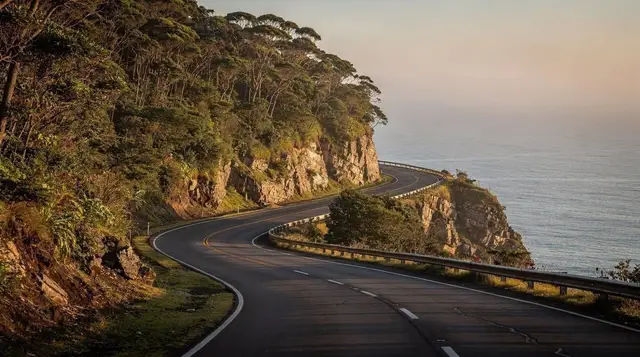
| Cape Peninsula loop | A full day | Within the peninsula | Penguins, coastal scenery, Cape Point |
| Winelands (Stellenbosch, Franschhoek) | A full day | Roughly 45 minutes each way | Tasting, food, historic towns |
| Hermanus and the whale coast | A full day | Roughly 1.5 hours each way | Land-based whale watching, June–November |
| Gansbaai | A full day | Similar range to Hermanus | Boat-based marine wildlife |
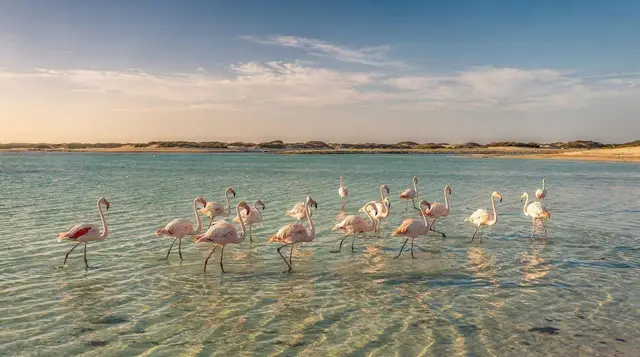
| West Coast National Park | A full day | Under two hours | Lagoon scenery, birdlife, spring wildflowers |
| Cape Agulhas | A long day | Roughly 2.5 hours each way | The actual southern tip of Africa |
| Robben Island | Half a day | Ferry from the V&A Waterfront | History, needs advance booking |
How much time do you actually have?
The honest starting question isn’t “what should I see” but “how many spare days do I actually have after the city itself.” Table Mountain, the City Bowl, and the Atlantic seaboard beaches will absorb two or three days on their own, and they’re weather-dependent enough that it helps to keep a spare morning free for whichever one the forecast didn’t cooperate with. That leaves most visitors one to three days for excursions beyond the city, which means choosing rather than trying to fit everything in.
If you only have one day to spare, the Cape Peninsula loop is the default answer for most people — it’s self-contained, doesn’t require an early wine-country start, and covers coastline, penguins, and Cape Point in a single circuit. A full-day Cape Peninsula tour handles the driving, which matters on a route with several stops and a fair amount of ground to cover.
If you are still deciding how long to stay overall, the guide to how many days in Cape Town helps you work out how many spare days you really have, and the Cape Town trip planning guide shows where day trips slot in around the city sights. Travellers on a tight schedule may prefer to start from a ready-made plan such as the two-day itinerary or the four-day itinerary, then swap one city day for an excursion.
The peninsula day rewards a little preparation. Read the Cape Peninsula day tour guide for the order of stops, and the self-drive versus tour comparison if you are weighing a rental car. The two big stops have their own pages too: the Cape Point guide and the Boulders Beach penguins guide. For the destinations themselves, see Cape Point and Simon’s Town.
The Winelands: worth it, but not self-driven
Stellenbosch and Franschhoek sit close enough to Cape Town that the drive itself is short, but the day built around them is not one to do behind the wheel. South Africa’s legal blood-alcohol limit for driving is strict and low, and a tasting day that involves stopping at several estates simply isn’t compatible with self-driving between them. This is one of the clearest cases where a tour or a driver isn’t a convenience upsell, it’s the only sensible way to do the day at all. A full-day Winelands wine-tasting tour takes that decision off the table entirely.
Choosing between the two main towns is a matter of taste rather than quality. The Stellenbosch versus Franschhoek comparison lays out the difference in mood, and the Cape Winelands guide for first-timers explains how the region is organised. If you would rather not book a full tour, winelands without driving covers other ways of getting around, and wine tasting etiquette and costs is worth a read before your first estate. Destination pages for Stellenbosch and Franschhoek go deeper, and a wine weekend itinerary suits anyone who wants more than a single day.
Whale coast: Hermanus or a boat out of Gansbaai
Hermanus and Gansbaai both sit roughly the same distance from Cape Town, and the choice between them comes down to whether you want to watch from land or from water. Hermanus is unusual among whale-watching destinations in that southern right whales can be seen from the cliffs themselves during the season, no boat required — a full-day guided tour to Hermanus covers the town and its cliff paths without committing you to a boat that could be cancelled by rough seas.
Gansbaai, further along the coast, is the base for boat-based marine trips, and a full-day Gansbaai whale-watching tour is the option if being out on the water matters more to you than certainty — sea conditions can cancel a boat trip on a day when the cliffs at Hermanus would have delivered a perfectly good sighting.
Whichever you pick, the season matters more than the town: sightings run roughly from June to November, and outside that window neither option is worth the drive on wildlife grounds alone, though both towns have enough else going for them to justify a visit regardless.
For a closer look at the trade-offs, the Hermanus versus boat whale watching comparison and the whale watching season guide are the best places to start, along with the dedicated Hermanus whale watching page. Anyone drawn to the shark-cage side of Gansbaai should read the shark cage diving guide first, and the whale season four-day itinerary builds a longer trip around the coast. The towns are described on the Hermanus and Gansbaai pages.
The West Coast, for something quieter
West Coast National Park and the Langebaan lagoon get a fraction of the visitors that the Peninsula or Winelands do, which is precisely the appeal for anyone who’s already done the busier routes on a previous trip or simply prefers a quieter day. The lagoon, the birdlife, and — in the right years, at the right time of year — a wildflower display are the draw, though the flowers are weather-dependent enough from year to year that it’s worth checking current conditions before building a whole day around them specifically.
The West Coast National Park guide describes what the park offers, and the West Coast wildflowers guide is the one to check if flowers are your reason for going. Birdwatchers will find more in the Cape Town birdwatching guide, and the Langebaan destination page covers the lagoon town. Because this is the quietest of the day trips, it also makes a sensible choice for a day when the Peninsula feels too crowded.
Cape Agulhas: the honest long day
Most visitors assume Cape Point is the southern tip of Africa. It isn’t — that distinction belongs to Cape Agulhas, roughly two and a half hours’ drive further along the coast, and it’s also the official point where the Atlantic and Indian Oceans meet. It’s a genuinely long day from Cape Town, five hours or more of driving alone, and it only makes sense if the destination itself matters to you rather than being an add-on to something closer. A full-day private tour to Cape Agulhas is the realistic way to do it without the drive eating your whole day twice over — once there, once back.
Before you commit, the Cape Agulhas day trip guide explains what there is to do once you arrive, and the Cape Agulhas destination page gives the wider context. If you would rather stretch the journey over several days, a multi-day tour taking in the West Coast, Agulhas and Hermanus links several of these stops without the repeated early starts. Drivers should also read driving in South Africa and the car hire guide before setting out on a long road day.
Robben Island and the history day
A ferry trip to Robben Island is a different kind of day entirely — shorter, more solemn, and worth booking well ahead, since capacity is limited and crossings are cancelled outright in rough seas. Because of that cancellation risk, it’s worth having a backup plan for the day rather than scheduling it as the only thing on the itinerary, particularly if you’re visiting during a windier stretch of the year.
The Robben Island guide explains how to plan the visit, and the apartheid history guide gives useful background beforehand. Pairing it with the District Six Museum makes for a thoughtful history-themed stretch of the trip, and the history itinerary strings these sites together. The island has its own destination page.
Getting around without a car
Not everyone wants to drive, and not every day trip needs you to. Guided tours remove the parking, the navigation and the unfamiliar roads, which is a real advantage on a short trip. The getting around guide compares the options, and the Cape Town without a car itinerary shows how far you can go without renting one. Within the city, the MyCiti bus and trains guide covers public transport, while the airport to city guide helps with your arrival.
Travelling with children or on a budget
Family groups should weigh how long each day is for younger travellers. The family-friendly day trips guide sorts the options by how well they suit children, and the Cape Town with kids guide adds wider advice. If cost is the main concern, the Cape Town budget guide shows where to save, and the free things to do article offers days that need no excursion at all.
Safety and practical habits
A good day trip is mostly decided before you leave the hotel. Settle the order of your excursions around the forecast, not the other way round, and keep the most weather-sensitive plans, such as boats and the mountain, for the days that look calmest. Leave early where you can, since a relaxed start gives you room to linger at the stops you enjoy and to absorb a delay without cutting the day short. Bring layers, because conditions on the coast can differ noticeably from the city, and keep your phone charged and your booking confirmations easy to reach.
Day trips are generally straightforward, but a few habits make them smoother. Read the Cape Town safety guide before you go, carry water and sun protection, and let your accommodation know your plans for the day. Check conditions the morning you leave rather than the night before, since wind and sea state can change quickly. The best time to visit guide and the month-by-month weather guide help you choose which trips suit your dates, and the Table Mountain closed article is a useful fallback when the cableway is shut.
How weather decides more than your itinerary does
The single biggest planning mistake with Cape Town day trips isn’t picking the wrong one, it’s assuming any of them run to a fixed script. Boat trips to Gansbaai or Robben Island get cancelled by rough seas. Table Mountain, if you’re saving it for later in the trip, closes for wind and cloud independent of what the rest of the city is doing. None of this means the trips aren’t worth doing — it means building at least one flexible day into a short visit, so a cancelled boat or a closed cableway becomes a reshuffle rather than a missed experience entirely.
Best day trips from Cape Town on GetYourGuide
Verified deep-linked GetYourGuide tours. Book through these links and we earn a small commission at no cost to you.
Photos show the destination, not the operator's own images.