The Cederberg is the wildest, least developed destination within a reasonable drive of Cape Town covered on this site — a mountain wilderness of wind-carved sandstone, San rock art sites, and some of the darkest skies left within striking distance of a major South African city. It’s also the one destination here that genuinely rewards more than a single rushed day, given both the drive and the pace the landscape asks for.
| Where | Inland from the West Coast, roughly 2.5-3.5 hours from Cape Town CBD depending on the specific destination within the range |
| Time needed | 2-3 days minimum for a proper visit; a single day trip is possible but undersells the region badly |
| Getting there | Self-drive, with a 4x4 or high-clearance vehicle recommended for parts of the reserve’s unpaved road network |
| Cost | Reserve entry and accommodation vary by operator and property — check current rates directly with the specific reserve or farm you’re visiting |
| Best time | Spring and autumn for hiking comfort; summer is very hot for exposed trails, winter can bring cold and occasional snow at higher elevations |
Sandstone formations sculpted by wind and time
The Cederberg’s defining visual feature is its sandstone rock formations — millions of years of wind and water erosion carving the exposed rock into arches, pillars and dramatically eroded outcrops across the range. The Wolfberg Arch and Wolfberg Cracks, a set of narrow passages through split rock formations, are among the better-known hiking destinations within the reserve, though the range holds considerably more than these headline spots for visitors willing to explore further afield or hike longer routes.
San rock art: a genuine window into deep history
The Cederberg holds one of South Africa’s densest concentrations of San rock art — paintings left by the region’s indigenous hunter-gatherer inhabitants, some sites containing work estimated at thousands of years old. This is not a manufactured or reconstructed attraction; it’s original work in situ, which makes respectful behaviour non-negotiable — no touching the paintings, no flash photography at some more sensitive sites, and sticking to marked paths and any guide’s specific instructions. A number of sites are accessible via marked trails without a guide, while others are better visited with a local operator who can provide the cultural and historical context the paintings themselves don’t offer on their own.
Some of the darkest skies near Cape Town
The Cederberg’s low population density and distance from major light pollution sources make it one of the better accessible stargazing destinations within striking distance of Cape Town. On a clear, moonless night, the Milky Way is visible with genuine clarity rarely achievable closer to the city. Several lodges and farms within the reserve have leaned into this with dedicated astronomy facilities or guided stargazing sessions, worth seeking out specifically if a clear night sky is part of the draw rather than an incidental bonus.
Rooibos country
The broader Cederberg region, particularly around the town of Clanwilliam, is the heartland of South Africa’s rooibos tea production — a plant that, notably, grows commercially almost nowhere else on Earth outside this specific area’s soil and climate conditions. A handful of farms in the wider region offer tours and tastings that go beyond the supermarket-shelf version of rooibos most visitors already know, worth a stop for anyone travelling through Clanwilliam en route to or from the reserve itself.
Roads and access: plan for this honestly
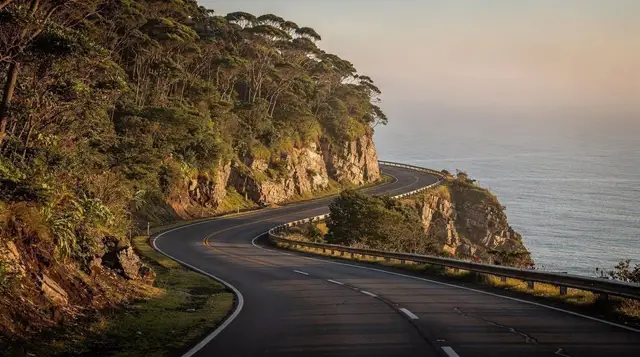
Much of the Cederberg’s internal road network is unpaved, ranging from well-graded gravel to considerably rougher tracks depending on the specific route and recent weather. A standard sedan can manage some of the more established routes in good conditions, but a 4x4 or high-clearance vehicle is a genuinely sensible recommendation for parts of the reserve, particularly after rain. Check current road conditions with the specific reserve or accommodation you’re booking before setting off, since conditions here shift with weather more than most of the destinations covered on this site.
Why this isn’t a rushed day trip
Given the drive alone runs 2.5 to 3.5 hours each way from Cape Town depending on the specific destination within the range, a same-day round trip leaves only a few realistic hours on-site — enough for a short walk to a nearby viewpoint, not enough to properly hike to the rock art sites or stay for a dark-sky night. Most visitors who do the Cederberg justice build in at least one night, whether at a lodge, farm stay, or campsite within or near the reserve, treating it as a genuine multi-day leg of a wider Western Cape trip rather than a day trip squeezed in alongside the Winelands or Whale Coast.
What isn’t worth the detour
Attempting the more remote hiking routes or 4x4 tracks without checking current conditions, carrying adequate water, or informing someone of your route is a real risk in a region this sparsely populated — mobile signal is unreliable across much of the reserve, and help is not close by if something goes wrong. This is not a destination to under-prepare for on the assumption that it’s just a scenic drive from Cape Town; treat it with the same planning rigour as any genuine wilderness area.
Getting there and around
Self-driving is realistically the only way to reach and explore the Cederberg, via the N7 north from Cape Town before turning inland on regional roads toward the specific reserve or farm area you’re headed to — the range covers a large area, and “the Cederberg” isn’t a single point but a spread-out region with several distinct access routes. Fuel up before entering the reserve itself, since services within it are limited, and confirm your specific route and any 4x4 requirements with your accommodation in advance.
How this fits into a longer trip
The Cederberg sits furthest from Cape Town of the destinations covered on this site, and works best as its own dedicated 2-3 day leg rather than a same-day pairing with anywhere else. Travellers combining it with Langebaan and the West Coast National Park can route through the West Coast on the way up or back, though the full combination makes for a longer, multi-stop West Coast itinerary rather than a single trip.