Stories from Cape Town
Long-form writing on the city and its edges — market mornings, café culture, beach walks and the practicalities of travel in South Africa.
More stories

25 things to know before you go

Cape Town over Christmas and New Year

Working remotely from Cape Town

Free things to do in Cape Town

Places most visitors miss

The case for shoulder season

Your first day, after a long flight

Mistakes first-time visitors make

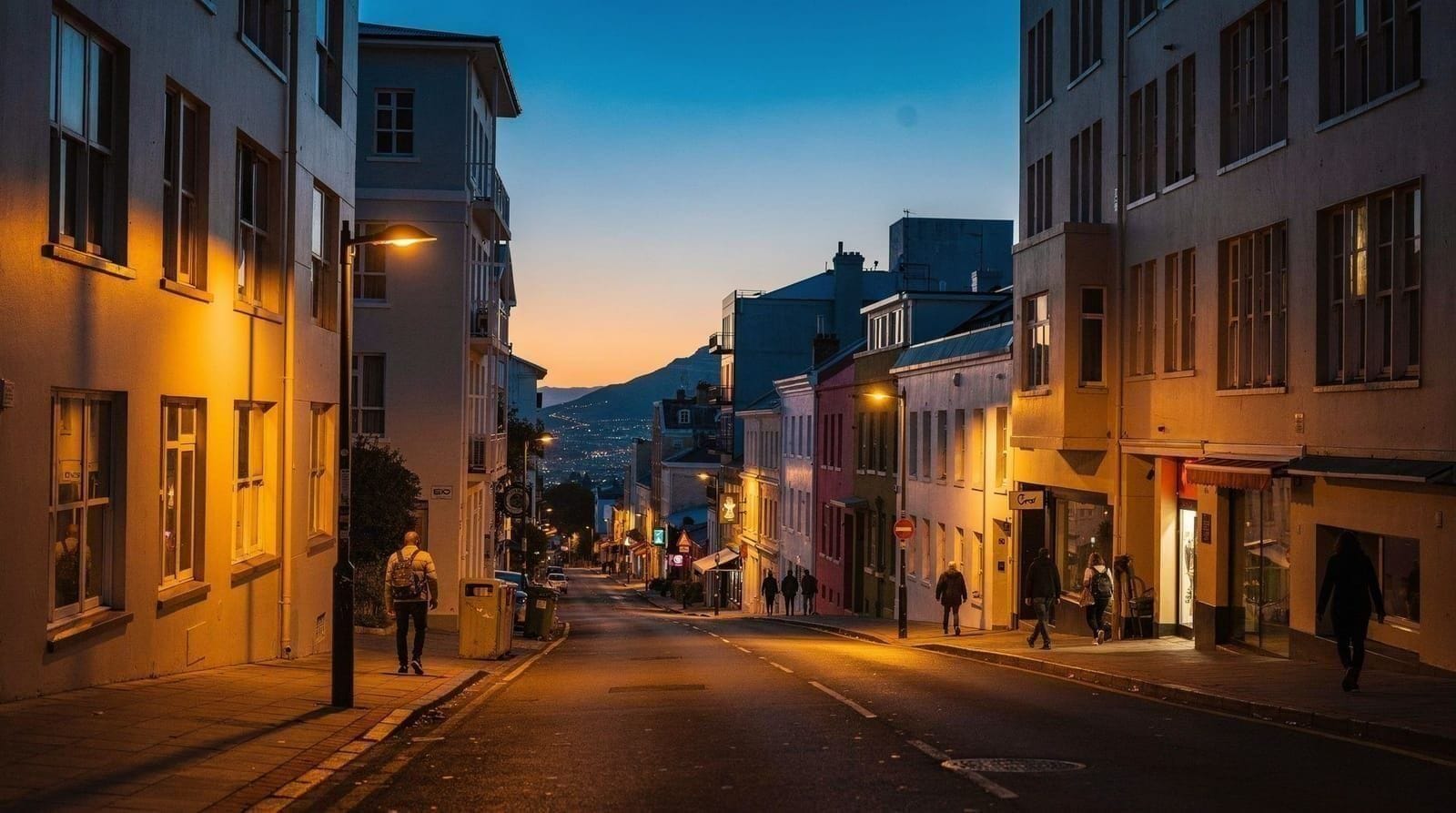
Cape Town after dark

Where to see penguins besides Boulders

Where to take photographs

Travelling responsibly in Cape Town

Markets and where to shop

SIM cards, data and staying online

Cape Town solo

Where to watch the sunset

Tipping and etiquette

Do two oceans really meet at Cape Point?

Eating vegetarian and vegan

The best viewpoints

How long to give the Winelands

What Day Zero left behind

Seeing whales without a boat

Is Cape Town expensive?

Which wine to bring home

When the cableway is closed

Using Uber and Bolt in Cape Town
Good to know about the Cape Town blog
Beyond the practical logistics of planning a trip, there's a set of softer questions worth thinking through before landing in Cape Town — the kind that shape how a trip actually feels rather than which sights make the list. Is Cape Town expensive?
It depends heavily on choices: accommodation, dining and tours span a wide range, and travelers who mix a few splurges, like a Winelands lunch or a helicopter flight, with everyday budget choices, like self-catering, MyCiTi buses and market food, tend to find it more affordable than they expected, while a trip built entirely around private tours and upscale dining adds up quickly — it's a destination with real range rather than a fixed price point.
Safety and solo travel are questions worth addressing honestly rather than either overstating or dismissing: ordinary urban caution — awareness of surroundings, reputable transport after dark, secure parking — covers most of what matters, and solo travelers generally do well sticking to well-established areas and tours rather than improvising in unfamiliar ones.
Cape Town's history is inseparable from a visit here, and that includes handling apartheid-era sites — Robben Island, District Six, the townships — with the seriousness they deserve: these are recent, living histories rather than distant ones, and guided visits, particularly in the townships, tend to add context and respect that independent exploration can miss. Etiquette more broadly is mostly about that same awareness: Bo-Kaap, for instance, is a living Cape Malay Muslim community, not simply a colorful photo backdrop, and treating it that way changes how a visit lands.
Food and coffee culture deserve their own attention too — Cape Malay dishes like bobotie and koesisters, the deeply social ritual of a braai, wine pairing across the Winelands, and a genuinely strong Saturday-market scene, exemplified by the Neighbourgoods Market at the Old Biscuit Mill, all reward travelers who build in time to eat slowly rather than rushing between sights.
And then there's timing: a best-time-to-visit decision in Cape Town really means weighing several overlapping windows against each other rather than picking one ideal month — whale season at Hermanus runs roughly June to December with a September–October peak, the West Coast's wildflowers bloom in a narrower August–September window, the Cape Doctor wind picks up through summer, and winter brings more rain but fewer crowds and lower prices. None of these questions has a single right answer, which is part of what makes Cape Town worth thinking through in advance rather than winging it entirely — the softer planning matters as much as the checklist of sights.
Frequently asked questions about the Cape Town blog
Is Cape Town expensive to visit?
It varies widely by choice. Mixing a few higher-end experiences with budget-friendly options like self-catering and public transport keeps costs down, while a trip built around private tours and upscale dining adds up quickly. There's no single price point.
Is Cape Town safe for solo travelers?
Generally yes, with ordinary urban precautions: stay aware of surroundings, use reputable transport after dark, and stick to well-established areas and tours rather than improvising in unfamiliar ones.
How should visitors approach Cape Town's apartheid history?
With seriousness rather than as a checklist item — sites like Robben Island, the District Six Museum and the townships reflect recent, living history, and guided visits, especially in the townships, add context that's easy to miss alone.
What is Cape Town's food culture like?
A mix of Cape Malay dishes like bobotie and koesisters, braai as a central social ritual, Winelands wine pairing, and a strong Saturday-market culture, with the Neighbourgoods Market at the Old Biscuit Mill a well-known example.
When is the best time to visit Cape Town?
It depends what you're prioritizing: whale season at Hermanus runs June to December, peaking September–October, wildflowers bloom around August–September, summer brings the Cape Doctor wind, and winter has more rain but fewer crowds.