Six days of outdoor Cape Town
Cape Town’s outdoor case for itself is stronger than almost any other city its size: a table-topped mountain with a dozen hiking routes, a second peak that draws a crowd at sunset, a peninsula coastline built for cycling and kayaking, and a stretch of coast road cut into a cliff face. This itinerary is built for travellers who’d rather spend six days moving through that landscape than shopping in it — but every day here carries a weather and fitness caveat worth reading before you commit to a route.
| Best for | Fit, active travellers comfortable with several hours of hiking or cycling a day |
| Pace | Six days, most built around one significant outdoor effort |
| Getting around | A rental car — trailheads and the peninsula’s coast road aren’t well served by public transport |
| Fitness needed | Genuine — several days involve multi-hour hikes on exposed, steep terrain |
| Weather rule | Every mountain day needs a checked forecast and a fallback; conditions turn quickly |
Day 1 — Lion’s Head at sunset, Signal Hill by day
Ease in with Lion’s Head — a shorter, sharper climb than Table Mountain itself, with a section involving chains and ladders near the top that’s exposed but not technical. It’s popular at both sunrise and sunset, and either works; sunset means a headtorch for the descent, which is worth planning for rather than improvising. Signal Hill, next door, is drivable and a much gentler alternative if you’d rather save your legs for what’s coming later in the week — worth knowing as a lower-effort option on a day when the first climb has already taken more out of you than expected.
Day 2 — Table Mountain hike, weather permitting
This is the day to treat as genuinely conditional, not just flexible. Routes like Platteklip Gorge and Skeleton Gorge are strenuous, several hours each way, and fully exposed to sun and wind for most of their length — sensible only in calm, clear conditions, and genuinely unsafe in high wind, low cloud or rain, which can also strand you on top if the cableway closes behind you. Check the forecast the morning of whichever day in this trip looks calmest and move this day there rather than forcing it onto Day 2. A guided option removes some of the routefinding risk if it’s your first time on the mountain: guided hike up Table Mountain covers one of the classic ascent routes with someone who knows the terrain and the current conditions.
If the weather rules out a full ascent, the Kasteelspoort guided hike to the cable car is a solid middle option — a genuine hike up, with the cableway down instead of a second exposed descent, useful on a day when conditions are marginal rather than clearly good or clearly bad.
Day 3 — Peninsula by bike and vehicle
Give your legs a partial rest with a different kind of effort: the Cape Peninsula cycle and drive private full-day tour mixes cycling sections along the coast with a private vehicle for the longer stretches and the climbs, covering Cape Point and the peninsula without a full day on foot. It’s a good reset between two demanding hiking days and still delivers the coastal scenery that makes the peninsula worth the drive in the first place.
Day 4 — Hout Bay and Chapman’s Peak
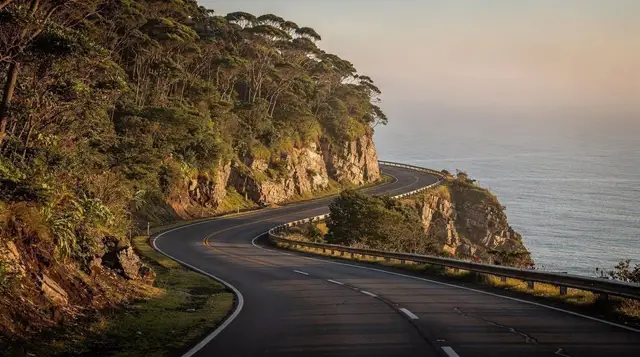
Hout Bay is a working harbour with a genuinely different feel from the city — start here, then drive the Chapman’s Peak toll road, cut into the cliff face above the Atlantic, one of the more dramatic short drives in the country. It’s occasionally closed for rockfall risk or high wind, so check its status before you rely on it as the day’s route rather than treating it as guaranteed open. If it’s closed, the inland route via Constantia Nek covers the same ground between Hout Bay and the southern peninsula, just without the cliff-edge views.
Day 5 — Noordhoek and the water
Noordhoek’s long, wide beach is a contrast to the peninsula’s rockier coves — good for a flatter walk after four days of climbing, and a starting point for horse riding along the sand if that appeals. Back towards the city, the guided marine life kayak tour from the V&A Waterfront gives the week a water-based day rather than another hike — a lower-impact way to close out the more physically demanding stretch of the trip while still keeping the day active.
Day 6 — Kirstenbosch and a slow finish
Close on easier terrain. Kirstenbosch’s paths run from flat garden walks to the steeper forest trails above, so the day can flex to however your legs are feeling after five demanding days — a gentle wander if you’re spent, or the climb up towards Skeleton Gorge’s lower reaches if there’s still fuel left. It’s also simply a good last outdoor day: less exposed, less weather-dependent, and a calmer note to end an active week on.
Fitness and safety, honestly
Several days here — the Table Mountain hikes especially — are genuinely strenuous and exposed to weather that can change with little warning. This isn’t an itinerary to attempt without decent fitness or without respecting a bad forecast; carry more water than feels necessary, tell someone your planned route on solo days, and treat “it’s just a hike” as the wrong frame for routes that gain significant elevation on exposed terrain. When in doubt, the guided options exist for a reason — take them over going it alone on unfamiliar ground.
Day-by-day summary
| Day | Focus | Don’t miss |
|---|---|---|
| 1 | Lion’s Head, Signal Hill | Sunset climb, headtorch for the descent |
| 2 | Table Mountain hike | Weather-dependent — move if conditions aren’t calm |
| 3 | Peninsula cycle and drive | Cape Point without a full day on foot |
| 4 | Hout Bay, Chapman’s Peak | Check the toll road’s status before relying on it |
| 5 | Noordhoek, kayaking | Flat beach walk, lower-impact water day |
| 6 | Kirstenbosch | Flex the pace to however the week’s left your legs |
tours.6 days
Verified deep-linked GetYourGuide tours. Book through these links and we earn a small commission at no cost to you.
Photos show the destination, not the operator's own images.