Swellendam, founded in 1745, is one of South Africa’s oldest towns, and it functions today as the natural gateway between the Overberg and the start of Route 62 — the inland alternative to the N2 coastal highway, billed as the world’s longest wine route and running through a string of small towns considerably less visited than Stellenbosch or Franschhoek. For travellers willing to trade beach and cliff views for mountain passes and quieter valleys, this is where that different version of the Western Cape begins.
| Where | Overberg, roughly 2 hours’ drive from Cape Town CBD |
| Time needed | A full day if passing through en route elsewhere; 2-3 days to properly explore Route 62 and the Breede River Valley |
| Getting there | Self-drive via the N2, continuing onto Route 62 (the R60/R62) for the inland wine road |
| Cost | The town itself is free to walk; Bontebok National Park and wine estates along Route 62 charge separately — check current rates directly |
| Best time | Year-round; spring and autumn offer the most comfortable driving and hiking conditions, summer can be very hot inland |
If you are still deciding how this fits into a wider plan, the guide to Route 62 and Swellendam covers the road itself in more depth, while the best day trips from Cape Town puts the town next to the other options you may be weighing.
A historic town, not just a waypoint
Swellendam’s historic centre holds a genuine concentration of well-preserved Cape Dutch architecture, including the Drostdy — a former magistrate’s residence and now a museum complex — alongside a scattering of period buildings along the main street. It’s a smaller, quieter version of what draws visitors to Stellenbosch’s historic core, without anywhere near the crowds, largely because Swellendam sits off the main Winelands circuit most Cape Town-based itineraries default to.
The town’s name traces back to Hendrik Swellengrebel, an eighteenth-century Governor of the Cape, combined with “dam,” and its history includes a genuinely eventful moment in 1795, when local farmers briefly declared an independent Swellendam Republic in protest against Dutch East India Company rule — a short-lived episode that predates, and is distinct from, the later Boer republics further inland, but is part of the same broader pattern of frontier communities pushing back against colonial administration from the Cape.
The Marloth Nature Reserve, on the town’s edge in the foothills of the Langeberg mountains, offers hiking trails ranging from short walks to considerably more demanding multi-day routes, with the mountains themselves forming a dramatic backdrop to the town below.
How to spend your time in town
The pleasure of Swellendam is its pace. Park near the main street and walk: the old buildings sit close together, so there is no need to move the car between them. Start with the Drostdy museum complex to get a sense of how the town grew, then drift along the street looking at the gables and thick whitewashed walls that define the Cape Dutch style. If you have seen the grander estates around Stellenbosch, you will notice that Swellendam’s version is more modest and lived-in, which many travellers find more appealing.
Morning is a good time for the historic centre, before the inland sun gets strong, and the mountain light on the Langeberg slopes is at its softest. Leave the afternoon for a slower lunch, a short walk in the foothills, or the wildlife stop described below. A visitor who only has a few hours can still see the essentials without feeling rushed, which is part of why the town suits a road-trip rhythm so well.
Travellers who enjoy the story behind a place will find plenty here. The 1795 Swellendam Republic is a small but telling chapter, and it pairs naturally with the wider story told in the apartheid and colonial history guide and the Slave Lodge and Cape slavery guide, which explain the structures of the Cape colony that farmers on the frontier were reacting to and living within.
Walking in the Langeberg foothills
The Marloth Nature Reserve is the easiest way to feel the mountains rather than just look at them. Even a short walk on the lower trails gives you a view back over the town and the farmland, and the vegetation is part of the same Cape floral story you meet elsewhere in the region. If plants are your interest, the fynbos and Cape Floral Kingdom guide explains what you are looking at, and a visit to Kirstenbosch before or after the drive makes the comparison easy.
Wear proper shoes, carry water, and check conditions locally before setting out on anything longer than a short stroll. The more demanding routes are real mountain walks, not casual strolls, and weather in the Langeberg can change. The same sensible habits recommended for hiking routes on Table Mountain apply here.
Bontebok National Park: an easy wildlife stop
Just outside Swellendam, Bontebok National Park protects the bontebok — an antelope species that was, at one point in the twentieth century, reduced to a genuinely small remaining population before conservation efforts brought numbers back. It’s a considerably smaller and more modest park than the Big Five reserves further afield, but it’s an easy, low-commitment wildlife stop that fits naturally into a Swellendam visit without requiring a dedicated safari day.
Think of the park as a calm complement to a stay in town rather than a headline attraction. It suits families and anyone who wants to see animals in a quiet setting without committing to a full safari day. If big game is what you really want, the Big Five day trip honest guide and the guide to safaris near Cape Town set out your options candidly, and wildlife through the year helps you judge the season.
Route 62: the inland alternative to the coast
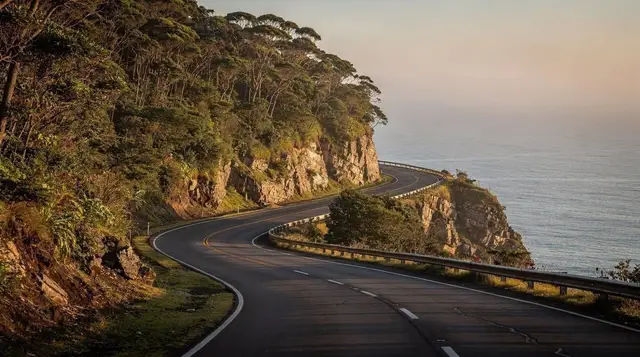
Route 62 runs from the Winelands through a string of small towns — Robertson, Montagu, Barrydale among them — across drier, more rugged inland terrain than the coastal N2 route covers, with its own scattering of wine estates, some considerably smaller and more family-run than the big Stellenbosch or Paarl producers. The full route continues well beyond a single day’s reach; most Cape Town-based visitors treat a Route 62 stretch as one leg of a longer Overberg or Garden Route trip rather than attempting the whole road in a day.
What makes Route 62 special is the way each small town has its own character: a farm stall here, a tasting room there, a long empty stretch of road with mountains on both sides. Allow time for the unplanned stop. Tasting etiquette is the same as anywhere in the Cape, so the wine tasting etiquette and costs guide is useful, and if you plan to taste, decide in advance who is driving. For a first sense of how this inland road differs from the more famous estates, see the Winelands guide for first-timers.
The Breede River Valley
The Breede River Valley, through which Route 62 partly runs, is a fertile agricultural region known for fruit farming and, increasingly, its own developing wine identity distinct from the main Winelands. It’s a genuinely different landscape from the more manicured Stellenbosch valley — broader, drier, more working-farm than boutique-estate in character across much of it.
A Big Five safari and Breede River Valley day trip combines a wildlife safari with this stretch of inland countryside, a practical pairing given how the Breede Valley sits between Cape Town and several of the region’s game reserves.
The valley rewards slow travel. Fruit orchards, vineyards and cattle land sit side by side, and the roads are quiet enough that you can stop for a photograph without worrying about traffic. It is a good place to understand that the Western Cape’s wine story is wider than the postcard valleys; the guide to South African wine varieties helps you recognise what ends up in your glass.
A longer Garden Route connection
Swellendam and Route 62 both sit within reach of the wider route toward the Garden Route further east, and several multi-day tours use this stretch as the first leg of a longer journey rather than a standalone Overberg trip.
A 5-day small group Garden Route tour from Cape Town, which routes through the Swellendam area, is worth considering for travellers who want this region as part of a longer trip east rather than a single day or weekend from Cape Town.
For a longer version that continues beyond the Garden Route proper, a six-day Garden Route and Addo adventure is the kind of itinerary that makes sense when Swellendam is only the first stop. The Garden Route from Cape Town guide explains how the pieces connect, and the itinerary for ten days in Cape Town shows how a longer stay can leave room for a night or two inland.
A safari stop near Swellendam
Given the region’s position between Cape Town and several game reserves, a handful of safari operators are based within reach of Swellendam itself, offering an alternative to the more established Aquila reserve closer to Cape Town.
A private game reserve sunset safari accessible from the Swellendam area is a reasonable option for travellers already in the region who want a Big Five outing without backtracking toward Cape Town first.
What isn’t worth the detour
Attempting the full length of Route 62 in a single day from Cape Town and back is unrealistic and largely defeats the point of the road, which rewards unhurried stops in its small towns rather than a fast drive-through. If time is limited, pick one or two towns along the route — Swellendam plus Robertson or Montagu, for instance — rather than trying to cover the entire route in one exhausting day.
Getting there and around
Self-driving from Cape Town takes roughly 2 hours via the N2 to reach Swellendam itself; continuing onto Route 62 proper requires backtracking slightly or picking up the R60/R62 from a different point along the N2, depending on which towns you’re aiming to include. A car is essential for this region — there is no meaningful public transport alternative for exploring Route 62’s spread-out towns and farms.
Driving tips for this stretch
Because a car is essential here, a few habits help. Fill the tank before leaving larger towns, download your maps in advance, and keep some water in the car, since the inland stretches can feel remote. The guide to driving in South Africa covers the basics, and car hire in Cape Town explains how to arrange a vehicle. Start early, avoid driving long distances after dark, and plan for the fact that the light fades quickly on winter afternoons; the guide to Cape Town in winter and the summer guide will help you pick the right season for the kind of trip you want.
When to go
Spring and autumn are the most comfortable seasons for combining a town walk, a hike and a drive in the same day. Summer suits early starts and long, lazy lunches, but plan around the heat. Winter brings cooler, greener scenery and a quieter road, though you should check the forecast before heading into the mountains. For a broader view across the year, see the best time to visit Cape Town.
How this fits into a longer trip
Swellendam works naturally as a stop between Cape Agulhas and a longer Overberg or Garden Route journey, or as the starting point for a dedicated Route 62 leg of a wider Western Cape trip. Travellers with limited time often pair a Swellendam stop with Elgin Valley and Grabouw on the drive out from Cape Town, given both sit along a similar inland route.
If you are building a full trip, a stay in Swellendam can slot in after a few days in the city, for instance following a week in Cape Town, and the coast at Hermanus makes a natural neighbour on the same side of the Overberg. For overall planning, the Cape Town trip planning guide and the list of mistakes to avoid are good companions, and the Cape Town vs Cape Winelands comparison helps if you are weighing this quieter route against the classic wine valleys.