Cape Town wildlife, month by month
Is there a single best month to see wildlife around Cape Town?
No single month covers everything, because the Cape's wildlife highlights run on different, sometimes opposite, calendars. Whale watching peaks roughly June to November; the Big Five reserves are viable year-round with cooler months bringing more daytime animal activity; penguins are visible year-round at Boulders Beach; and West Coast wildflowers are a narrow, rain-dependent window around August-September. Pick your priority first, then build the trip around its season.
Cape Town’s wildlife runs on several different calendars at once, and no single visit catches everything at its peak. Whale season, safari conditions, penguin colonies and wildflower blooms each follow their own rhythm — some tied tightly to a season, others available year-round. Here’s how they actually line up, so you can plan a trip around what matters most to you rather than assuming everything peaks together.
| Whales | Roughly June-November, peaking around September-October |
| Penguins (Boulders Beach) | Year-round, resident colony |
| Big Five safari reserves | Year-round, more daytime movement in cooler months |
| West Coast wildflowers | Roughly August-September, rainfall-dependent, not guaranteed every year |
| Cape’s seasons | Southern hemisphere: summer Dec-Feb, winter Jun-Aug — the reverse of the northern hemisphere |
Why the Cape’s seasons run backwards
Cape Town sits in the southern hemisphere, so its seasons are the reverse of Europe and North America: summer runs roughly December to February, hot and dry with the strong south-easterly “Cape Doctor” wind, while winter runs roughly June to August, cooler and wetter. This matters directly for wildlife planning, since several of the Cape’s marquee sightings — whales above all — are tied to the cooler months, the opposite of when most travellers instinctively think of as safari or wildlife season.
June to November: whale season on the Whale Coast
This is the Cape’s clearest wildlife season, and the one worth planning a trip around if whales are the priority. Southern right whales move along the coast to calve and mate in the sheltered bays around Hermanus and the wider Whale Coast, visible from clifftop vantage points without needing a boat — a genuine rarity among whale-watching destinations worldwide. Sightings build through the season and typically peak around September and October, though the exact timing shifts year to year and isn’t something any operator can guarantee down to the week.
Humpback and Bryde’s whales also pass along this coast at points during the year, though southern rights are the species most associated with the Cape’s inshore winter sightings.
Year-round: penguins and the Big Five reserves
Not everything on the Cape’s wildlife list is seasonal. The African penguin colony at Boulders Beach is resident year-round — a real advantage if your trip doesn’t line up with whale season, since it’s one Cape wildlife sighting you can plan with confidence regardless of when you visit.
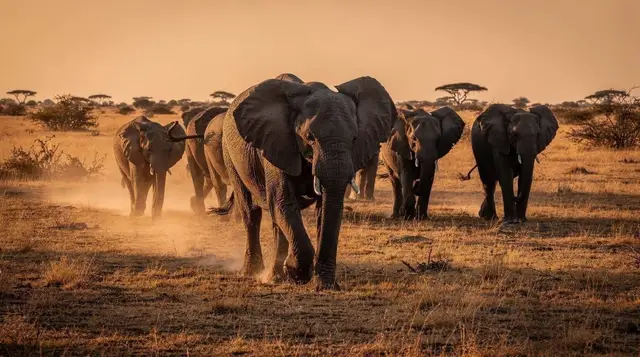
The private Big Five reserves near Cape Town, chiefly Aquila and similar properties, are also viable year-round, though the character of a visit shifts with the seasons: cooler months tend to bring more daytime animal activity as large game is less inclined to shelter from heat, while the longer daylight of summer allows more flexibility in drive timing. Neither season is clearly “better” for a safari day trip — it’s more a question of which trade-off suits your itinerary.
This Aquila wildlife tour paired with wine tasting is a reasonable year-round pick precisely because it doesn’t depend on a narrow seasonal window the way whale watching or wildflowers do.
The narrow window: West Coast wildflowers
Of everything on this list, the West Coast’s spring wildflower bloom is the least predictable. It depends directly on winter and early spring rainfall, with the display typically building through roughly August and into September in a good year — but “good year” is doing real work in that sentence, since dry winters produce a genuinely underwhelming bloom, and no operator can promise a spectacular display months in advance. If wildflowers are the specific reason for a trip, it’s worth checking recent rainfall reports close to your travel dates rather than booking purely off the calendar.
Cheetah and other Winelands wildlife encounters
Separate from both the safari reserves and the coastal wildlife calendar, cheetah and other animal-encounter facilities in the Winelands operate year-round and aren’t meaningfully seasonal, since the animals are resident rather than migratory or weather-dependent. This Cheetah Outreach and Winelands day tour is worth reading about on its own terms first, given the genuine ethical debate around these encounters covered elsewhere on this site — it’s a different category of wildlife experience from a safari or a whale-watching trip, worth planning independently of season.
Ostrich farms near Cape Town operate on a similarly year-round basis. This ostrich ranch and quad bike tour is one of the more active options for travellers who’d rather combine wildlife with an adventure activity than a passive game drive.
Building a trip around more than one season
Because whale season and the drier summer months don’t overlap, a trip built to catch both whales and, say, peak beach weather requires some compromise. Travellers visiting specifically for a whale-and-safari combination often do best in the shoulder months — roughly September to November — when whale sightings are still strong, the weather is warming from winter, and safari reserves are equally viable. This two-day safari with penguins and Cape Agulhas is one way to combine several of the Cape’s wildlife highlights into a single trip rather than treating each as a separate outing.
Frequently asked questions about Cape Town wildlife, month by month
When is the best time to see whales near Cape Town?
Roughly June to November, with sightings typically peaking around September and October. Southern right whales are the main species along this coast during that window, with occasional humpback and Bryde’s whale sightings possible.
Are penguins at Boulders Beach seasonal?
No — the African penguin colony at Boulders Beach is resident year-round, unlike the migratory whales. It’s one of the few Cape Town wildlife sightings that doesn’t require timing a visit around a season.
Is a Big Five safari near Cape Town better in a particular season?
It’s viable year-round, but cooler months tend to see more daytime animal movement since large game is less driven to shelter from heat, while the hotter months offer longer daylight hours for game drives.
Do West Coast wildflowers bloom every year without fail?
No — the display depends on winter and early spring rainfall, and some years are genuinely underwhelming. Roughly August to September is the usual window, but it’s never a guaranteed spectacle.
tours.safari-wildlife
Verified deep-linked GetYourGuide tours. Book through these links and we earn a small commission at no cost to you.
Photos show the destination, not the operator's own images.