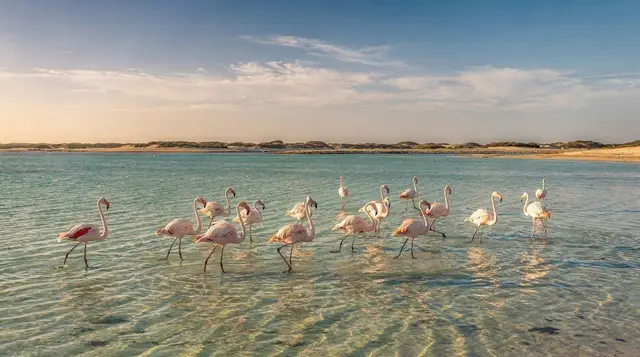
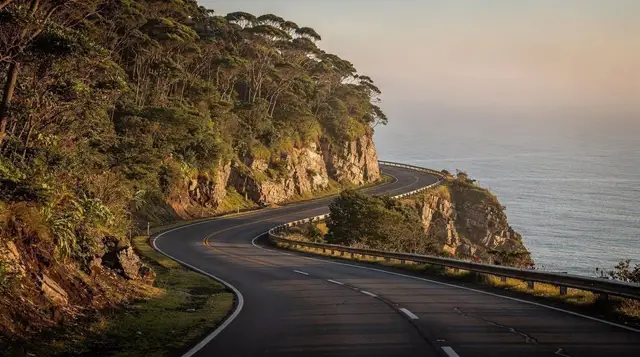
Cape Agulhas holds two titles that a lot of visitors mistakenly credit to Cape Point instead: it is the true southernmost point of the African continent, and it marks the official point where the Atlantic and Indian Oceans meet. Cape Point is more dramatic, closer to Cape Town, and considerably more visited — but geographically, the record books belong here.
| Where | Overberg, roughly 2.5-3 hours’ drive from Cape Town CBD |
| Time needed | A full day trip from Cape Town given the distance; easily combined with an overnight in the Hermanus/Whale Coast area |
| Getting there | Self-drive via the N2 then R316/R319 through Bredasdorp, or a guided day tour |
| Cost | The lighthouse and museum charge a modest entry fee — check current rates directly; the monument and coastline itself are free to visit |
| Best time | Year-round; the point is exposed and can be genuinely windy, so check conditions before planning a long coastal walk |
Why the title actually belongs here
The confusion between Cape Point and Cape Agulhas is understandable — Cape Point is closer to Cape Town, has more dramatic cliffs, and has been marketed as a “tip of Africa” destination for far longer in the popular imagination. But geographically, Cape Point sits further north than Cape Agulhas, and the officially recognised meeting point of the Atlantic and Indian Oceans (based on the convention used by international hydrographic authorities) is at Agulhas, not the peninsula. A stone marker and a large stainless-steel map at the point itself mark the precise spot, making the geography impossible to misread once you’re actually standing there, whatever confusion existed beforehand.
A guided tour to the southernmost tip of the African continent covers the drive and the geography properly, useful for travellers who want the context explained on-site rather than reading it off a plaque alone.
The Cape Agulhas Lighthouse
The Cape Agulhas Lighthouse, one of South Africa’s oldest working lighthouses, stands close to the point itself and houses a small museum on the region’s maritime history — this stretch of coast has a long and genuinely dangerous shipwreck history, driven by the convergence of currents and weather systems at this exact meeting of oceans. Climbing the lighthouse (where open to visitors) gives a wider view over the point and the surrounding Agulhas National Park than is available from ground level.
Where the name comes from
Agulhas is Portuguese for “needles,” and the name’s origin is generally traced back to early Portuguese navigators — one commonly cited explanation is that this stretch was one of the few places along their route where a compass needle pointed to true north rather than magnetic north, a navigational quirk worth noting rather than a fully settled etymology. Whatever the precise origin, it reflects just how long this specific point has mattered to sailors rounding the African coast, long before it carried any tourism significance at all.
The offshore Agulhas Bank, a wide, shallow extension of the continental shelf reaching further out to sea here than almost anywhere else around southern Africa, has made these waters unusually rich fishing grounds — and unusually treacherous ones, given the collision of currents and weather systems from two different oceans. That combination explains the concentration of historic shipwrecks along this coast, a history the lighthouse museum covers in more depth.
Where two oceans actually meet
The idea of a visible line where the Atlantic and Indian Oceans meet is popular but not quite how oceanography actually works — there’s no sharp visual boundary in the water itself, and the officially recognised meeting point is a matter of geographic convention rather than a colour change in the sea. That said, the marker at Cape Agulhas is the internationally recognised point, and standing at it carries real meaning even without a visible line in the waves.
A day tour to where the two oceans meet at Cape Agulhas is built specifically around this landmark for travellers who want it as the day’s centrepiece.
Agulhas National Park and the wider coastline
Agulhas National Park, surrounding the point itself, protects a stretch of coastal fynbos and limestone landscape distinct from the mountain fynbos found further north in the Cederberg or around the Cape Peninsula. Walking trails within the park extend beyond the immediate area around the lighthouse, worth exploring for visitors with more than the hour or two most day-trippers allocate to the point itself.
Combining Agulhas with the rest of the Whale Coast
Given the distance from Cape Town, most visitors combine Cape Agulhas with other stops along the Whale Coast or Overberg rather than treating it as an isolated round trip — Hermanus for whale watching, or a wine tasting stop, both work as natural additions given the overlapping route.
A full-day private tour to Cape Agulhas from Cape Town handles the whole distance in one guided day, while a Cape Agulhas tour combined with penguins and wine tasting adds two further Overberg-area stops to the same day.
What isn’t worth the detour
Some visitors expect a beach-holiday atmosphere at Cape Agulhas given its coastal setting; it isn’t that, and shouldn’t be treated as a swimming destination — the point is exposed, currents at this ocean confluence can be genuinely strong and unpredictable, and this is a geography-and-history stop rather than a beach day. Plan swimming and beach time elsewhere along the coast instead.
Getting there and around
Self-driving from Cape Town takes roughly 2.5 to 3 hours via the N2 and then the R316/R319 through the town of Bredasdorp, the nearest town of any real size to the point itself. The distance makes this one of the longer day trips covered on this site, and travellers without their own vehicle are generally better served by a guided tour that handles the full return distance in one booking rather than arranging return transport independently.
How this fits into a longer trip
Cape Agulhas pairs naturally with Hermanus for a combined Whale Coast and southernmost-point day, though that makes for a genuinely long day if attempted from Cape Town and back in one go — an overnight in the Hermanus area splits the distance more comfortably. It also combines reasonably with Swellendam and Route 62 for travellers continuing further into the Overberg rather than looping back to Cape Town directly.