Safari near Cape Town — what's realistic
Can you do a real safari near Cape Town?
Not in the Kruger sense. What's on offer is a Big Five day trip to a private, fenced game reserve two to three hours from the city — genuinely a chance to see lion, elephant, rhino, buffalo and leopard in one outing, but on a small, managed property, not open bushveld. It's a solid introduction to African wildlife, not a substitute for a proper safari.
Cape Town isn’t safari country, and no amount of clever marketing changes that. The city sits in fynbos and vineyard landscape, hundreds of kilometres from the Kruger region where South Africa’s big open reserves lie. What Cape Town does have, within a few hours’ drive, is a handful of private, fenced game reserves stocked with the Big Five — lion, leopard, elephant, rhino and buffalo — that let visitors see these animals without the time and cost of flying to Kruger. It’s a real thing worth doing. It’s also a different thing from a bushveld safari, and worth understanding before you book.
| Where | Private reserves 2-3 hours from Cape Town (Aquila, Inverdoorn, Buffelsfontein and similar) |
| Time needed | A full day for a day trip; two or more days if staying overnight at the reserve |
| Getting there | Included transport with most tour operators, or self-drive if staying overnight |
| Cost | Varies by reserve, season and whether transport/lunch is included — check current pricing with the operator |
| Best for | Travellers who want Big Five sightings without adding Kruger to the itinerary |
What “safari near Cape Town” actually means
Every reserve within a few hours of Cape Town is privately owned and fenced. That’s not a hidden flaw — it’s how these properties can guarantee a population of large predators and dangerous game on land measured in thousands of hectares rather than the roughly two million hectares of Kruger National Park, much of which is unfenced along its northern and eastern boundaries. Fencing is what makes it possible to have lion and elephant living a few hours from a major city at all; without it, neither the animals nor the surrounding farmland would survive the arrangement.
The best-known of these is Aquila Private Game Reserve, the most heavily marketed and most frequently booked of the Cape day-trip safaris, roughly two hours from the city near Touws River. Others — Inverdoorn, Buffelsfontein, and smaller operations — run similar formats: pickup from Cape Town, a game drive or two, usually a meal, and a return in the evening.
What you’ll realistically see
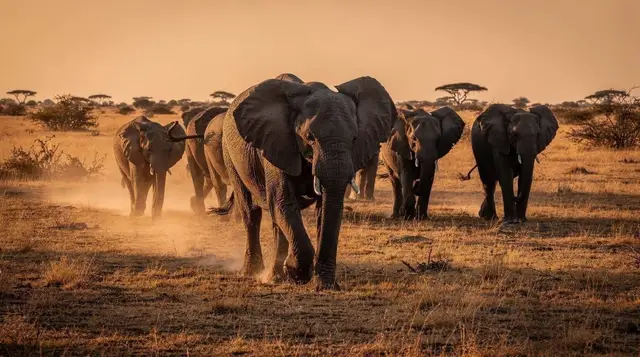
Reserves that advertise “Big Five” generally do hold breeding or managed populations of all five species, and most day-trip visitors see a genuine mix of large game on a typical drive — often including elephant, rhino and buffalo, with lion and leopard somewhat less certain on any single outing since predators range more widely and rest for long stretches during the day. That variability is normal on any safari, anywhere in the world; a guaranteed sighting of every species on every drive isn’t something even Kruger promises.
What’s different at a small private reserve is density and space. Vehicles cover the property in an hour or two rather than a full morning, animals are often habituated to vehicle traffic in a way that feels closer to a wildlife park than a wilderness encounter, and the terrain — often drier, more open Karoo-edge scrub rather than dense bushveld — makes sightings easier to engineer but also easier to see through as staged.
Aquila sunset game drive is one of the more atmospheric options if you’d rather not do the full-day round trip, trading the buffet-and-two-drives package for a shorter, later visit.
A day trip versus staying over
Most Cape Town safari bookings are single-day trips: an early pickup, roughly two hours of driving each way, a game drive or two around midday and late afternoon, and a return to the city by evening. It’s an efficient use of a day, but it also means four to five hours in transit for perhaps two hours of actual game viewing.
Reserves that offer overnight stays change the maths meaningfully — an evening drive, a night at the lodge, and a morning drive before departure roughly double the wildlife time without doubling the travel time, since the transfer only happens once each way. This two-day Cape Town safari pairs an overnight stay with a stop at Cape Agulhas, useful if you’d rather not do two separate long drives on two separate trips.
Big Five versus other wildlife experiences nearby
Not every wildlife outlet marketed from Cape Town involves a fenced reserve or predators at all. Cheetah and wildlife sanctuaries in the Winelands — worth understanding on their own terms, since they raise real ethical questions about captive animal encounters — are a different category of experience from a Big Five game drive, and often get bundled into the same day as wine tasting rather than sold as a standalone safari. If direct animal contact matters to you one way or the other, check what a specific tour actually includes before assuming “wildlife tour” means “safari.”
Cheetah Outreach and Winelands day tour is a good example of that different category — worth reading about on its own before deciding it’s a Big Five substitute, because it isn’t one.
Who this suits, and who it doesn’t
If Kruger, or a longer safari elsewhere in southern Africa, is part of your trip already, a Cape Town day-trip safari is largely redundant — you’ll see more animals, in a wilder setting, on the real thing. Where the Cape option earns its place is for travellers whose itinerary doesn’t include Kruger at all: a short South Africa trip centred on Cape Town and the Winelands, where flying north specifically for a safari isn’t realistic, but seeing lion and elephant in person still matters to the trip.
Families travelling with young children, or anyone short on time, tend to get real value from the format precisely because it’s compressed and predictable in a way an open reserve isn’t. Inverdoorn’s three-day Big Five safari sits at the other end of that spectrum — closer in structure to a genuine multi-day safari, for travellers with more time who still don’t want to leave the Western Cape.
Frequently asked questions about Safari near Cape Town — what’s realistic
Is a Cape Town safari the same as a Kruger safari?
No. The reserves near Cape Town are small, fenced, private properties, typically a few thousand hectares. Kruger National Park is unfenced on much of its border and covers roughly two million hectares. The animals, density, and sense of scale are entirely different.
Can you see the Big Five near Cape Town?
At the larger private reserves, generally yes, though sightings on any single game drive are never guaranteed — that’s true of every safari, everywhere. Multi-day stays improve the odds over a single afternoon drive.
How far is the nearest safari reserve from Cape Town?
Roughly two to three hours’ drive, depending on the reserve and traffic leaving the city. Most day trips budget a full day once transfers are included.
Is a day-trip safari worth it if I’m not going to Kruger on this trip?
For many travellers, yes — it’s a realistic way to see Big Five species without adding a flight and several days to the itinerary. Just go in knowing it’s an introduction, not the full safari experience.
tours.safari-wildlife
Verified deep-linked GetYourGuide tours. Book through these links and we earn a small commission at no cost to you.
Photos show the destination, not the operator's own images.