Cap Classique: South Africa's sparkling wine
What exactly is Cap Classique?
Cap Classique — full name Méthode Cap Classique, often shortened to MCC — is South Africa's traditional-method sparkling wine, made the same way as Champagne, with a second fermentation happening inside the bottle rather than in a tank. It isn't Champagne, a name legally protected for sparkling wine from that specific French region, but it follows the same labour-intensive process and has built a genuine reputation of its own over recent decades.
Most Winelands visitors encounter Cap Classique as a welcome glass before the “real” tasting begins, and move on without a second thought. That undersells it considerably — South Africa’s traditional-method sparkling wine is made by the same painstaking process as Champagne, has genuinely improved and matured as a category over recent decades, and deserves a proper, dedicated tasting rather than an afterthought pour. Here’s what it actually is and where to try it properly.
| What it is | South Africa’s traditional bottle-fermented sparkling wine |
| Where | Producers across the Winelands, concentrated in cooler areas |
| Grapes | Typically chardonnay and pinot noir, sometimes pinot meunier |
| Time needed | A standard tasting slot, longer at a dedicated MCC cellar tour |
| Best for | Anyone who treats a welcome-glass fizz as an afterthought and shouldn’t |
What Méthode Cap Classique actually means
Méthode Cap Classique, almost always shortened to MCC or simply Cap Classique, refers to a specific production method rather than a single style or grape: the wine undergoes its second fermentation — the process that creates the bubbles — inside the very bottle it’s eventually sold in, rather than in a large pressurised tank, the faster and cheaper method used for most mass-market sparkling wine. This is exactly the process used for Champagne, and it’s why Cap Classique is often informally described as South Africa’s answer to it, even though the two are legally and geographically distinct categories.
The traditional method is slow and labour-intensive: after the second fermentation, bottles rest on their lees — the spent yeast cells — for an extended period, which is where much of a good sparkling wine’s depth, texture, and toasty, bready complexity comes from, before each bottle goes through riddling and disgorgement to remove the sediment. Producers who commit to longer lees-ageing generally produce more complex, more expensive wine, which is worth knowing if you’re comparing an entry-level Cap Classique against a producer’s flagship bottling.
This Stellenbosch bubbly wine and biltong tour pairs Cap Classique tasting with South Africa’s other great snack tradition, biltong — a genuinely good match, since a crisp, dry sparkling wine cuts well through cured, salty meat.
Where it comes from
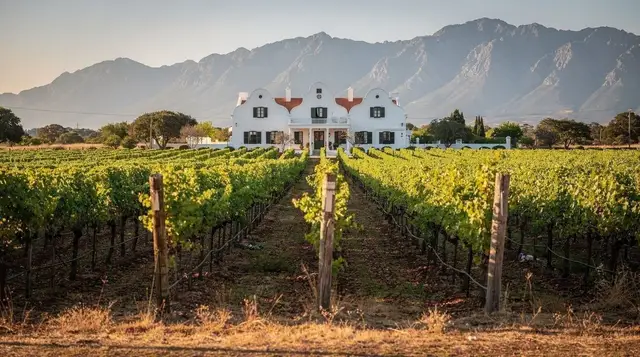
Cap Classique producers are found across the Winelands, but the grapes most commonly used — chardonnay and pinot noir, sometimes with a smaller portion of pinot meunier — generally favour cooler growing conditions, which pulls the category toward parts of Stellenbosch, Franschhoek, and other cooler coastal-influenced wine areas rather than the hottest inland valleys. Several estates have built their entire identity around the category rather than treating it as one line among many still wines, and those specialists are the better place to taste it properly.
This ultra-premium wine tasting experience is a good option if you want to taste Cap Classique alongside the region’s top still wines in a single, more elevated format rather than seeking out a sparkling-only specialist separately.
Tasting it properly, not just as a welcome pour
The mistake most visitors make is treating the Cap Classique offered on arrival as a pre-tasting formality rather than actually paying attention to it. Asking specifically about the wine’s lees-ageing time, the grape blend, and whether it’s a non-vintage or vintage release turns a routine welcome glass into a genuinely informative few minutes — and most tasting room staff are happy to talk about it at length, since it’s often a source of real pride at estates that make it well.
This full-day wine tasting tour covers multiple estates across a day, giving a natural opportunity to compare Cap Classique styles from more than one producer rather than judging the category from a single glass.
Pairing it with food
Cap Classique’s crisp acidity and fine bubbles make it a genuinely versatile food match — good with fresh seafood, cured meats, and richer, creamier dishes alike, which is part of why several restaurants and cruise experiences around Cape Town build entire menus or courses specifically around it.
This West Coast gourmet Cap Classique multi-course ocean menu takes that pairing furthest, matching a full tasting menu against a sequence of sparkling wines rather than a single pour.
A sunset catamaran cruise with sparkling wine is a more casual way to enjoy Cap Classique — less about the technical detail of the method, more about the setting, though it’s worth noting the wine itself on the glass rather than treating it as background.
Buying a bottle to take home
If you find a Cap Classique you genuinely like, it travels reasonably well as a gift or souvenir compared to most still wine, given how associated the category has become with South Africa specifically — a distinctive thing to bring back that a generic bottle of red or white doesn’t quite match. Ask the estate about export or travel-friendly packaging if you’re not checking bags with much padding.
tours.wine-tasting
Verified deep-linked GetYourGuide tours. Book through these links and we earn a small commission at no cost to you.
Photos show the destination, not the operator's own images.