West Coast National Park and Langebaan
West Coast National Park gets a fraction of the visitors that the Cape Peninsula or the Winelands do, and that’s the point. It’s built around the Langebaan lagoon — a long, calm stretch of turquoise water backed by white dunes — with the town of Langebaan itself as a base for anyone who wants to turn the day into an overnight. Most people come for one of two reasons: the birdlife, which is genuinely excellent year-round, or the wildflowers, which are a very different proposition and worth understanding before you build a day around them.
The best way to think about this trip is as a change of tempo. Cape Town’s headline sights — the mountain, the Peninsula, the vineyards — are all about views and queues and booking ahead. The West Coast is about open space, flat light and a slower pace, and it works best when you arrive without a long checklist. If you are still deciding how it fits into your wider plans, the Cape Town trip planning guide and the best day trips from Cape Town put it in context next to the alternatives.
| Where | On the West Coast, under two hours from Cape Town |
| Time needed | A full day, or an overnight in Langebaan |
| Getting there | Self-drive or a guided day tour |
| Best for | Birdwatching, lagoon scenery, a quieter alternative to the busier routes |
| Wildflower season | Roughly August–September, weather-dependent — check current conditions before committing |
The lagoon is the real draw
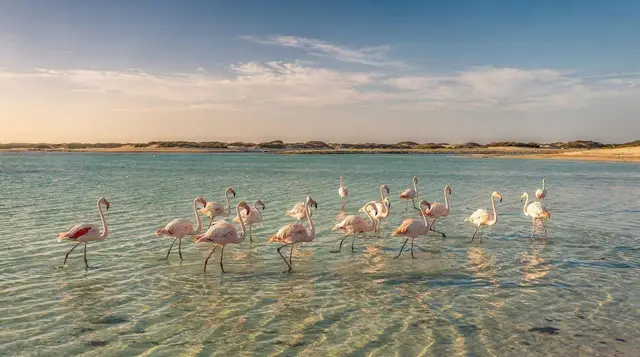
The Langebaan lagoon is a shallow, sheltered body of water that shifts colour through the day — pale green in flat light, a startling turquoise when the sun’s high. It’s a working landscape as much as a scenic one: the surrounding wetlands are internationally recognised for their bird populations, and the park’s Geelbek hide and the trails around the lagoon edge are where most visitors spend their time. Kayaking and paddling on the lagoon itself is popular locally, and a few operators run trips out of Langebaan town if you want to get onto the water rather than just look at it.
Photographers tend to do best at the edges of the day, when the low light picks out the dunes and the colour of the water deepens. Midday glare flattens the whole scene, so if you can only choose one stretch of the day for the lagoon shoreline, early or late beats the middle. For more ideas on where the light works best around the region, see Cape Town photography spots.
A guided day tour to West Coast National Park is the simplest way to see the park without arranging your own transport and figuring out which section is worth the time — the reserve is large, and a first-time visitor without local knowledge can easily spend half the day in the car park deciding where to go.
Birdlife, not just flamingos
The park is one of the more serious birdwatching destinations within reach of Cape Town, with wading birds, waterfowl, and migratory species using the lagoon and its wetlands depending on the season. Flamingos are the bird most visitors ask about specifically, and they do turn up on the lagoon, though not with guaranteed reliability on any given day — treat a flamingo sighting as a bonus rather than the reason to go. Serious birders tend to bring their own optics and spend a full morning at one or two hides rather than trying to cover the whole park.
If birds are the main reason you are making the trip, read the wider Cape Town birdwatching guide first: it helps you judge how this park compares with the other places within reach of the city, and which seasons change what you are likely to see. The wildlife year-round guide does the same job across the whole calendar, which is useful if your dates are fixed and you want to know what is realistic rather than hoped for.
A few habits make a hide visit better. Arrive quietly, sit for longer than feels necessary, and let the lagoon come to you — the birds that look absent in the first ten minutes often drift into view once you stop moving. Casual visitors with no optics still enjoy it, but a simple pair of binoculars changes the experience completely.
Wildflowers: a real but unpredictable draw
The West Coast’s spring wildflower displays are a genuine phenomenon in a good year — carpets of daisies and other annuals covering huge stretches of otherwise scrubby veld. The trouble is that “a good year” is doing a lot of work in that sentence. Rainfall in the preceding months, temperature, and the specific week you visit all affect whether the display is spectacular or barely there, and the peak window shifts from year to year rather than landing on a fixed date. If wildflowers are the entire reason for the trip, check current bloom reports before you commit a whole day to the drive — West Coast National Park is one option among several flower routes along this coast, and it isn’t always the strongest one in a given season.
Our dedicated West Coast wildflowers guide goes deeper on how the season behaves and how to read the signs. For the bigger botanical picture — why this corner of the world is so unusual and what the plants are actually doing — the fynbos and Cape Floral Kingdom guide is the right companion read, and it will make even a modest bloom more interesting to look at.
Flowers also open and close with the light. On a grey or cool day the blooms can stay shut, which is another reason not to treat a single date as fixed. Flexibility is the real tool here: if you can shift your day by a few days either way, you improve your odds far more than any amount of planning.
Langebaan town: worth an overnight if you have the time
Langebaan itself is a small, low-key coastal town rather than a tourist hub, with watersports — particularly kitesurfing and windsurfing, thanks to consistently strong winds on the lagoon — as its other main draw beyond the park. If your schedule allows an overnight rather than a single long day trip, splitting the visit across a lagoon-side afternoon and a slower morning in the park the next day is a noticeably better pace than trying to see everything in one push from Cape Town and back.
There is a separate page for the town, Langebaan, if you want more on the place itself. An overnight also frees you from watching the clock: you can have a long lunch, take the lagoon in the evening light, and still start the park early the next morning before the day-trippers arrive.
A private tour with a customisable itinerary is worth considering if you want to combine the park with a stop at Langebaan or elsewhere on the West Coast rather than following a fixed day-trip route.
Combining it with other West Coast stops
Several operators pair West Coast National Park with a broader route up the coast, sometimes stretching as far as a multi-day loop that also takes in Cape Agulhas and Hermanus in the opposite direction. A multi-day West Coast, Agulhas and Hermanus tour is one way to see the West Coast without treating it as an isolated day trip, if you have several days free and want a wider loop rather than a single out-and-back.
If you would rather keep the West Coast as a single day and do the other places separately, the Cape Agulhas day trip guide and the Cape Agulhas destination page cover that direction, while Hermanus is the natural pairing for anyone whose dates fall in whale season.
What the drive is actually like
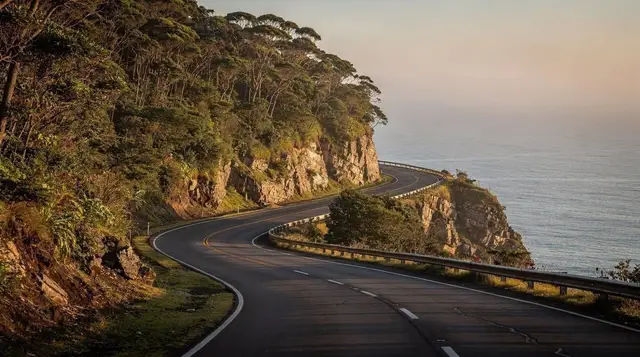
The route north from Cape Town runs mostly along decent roads, and the drive itself is straightforward rather than scenic in the way the Peninsula or the Winelands roads are — flat coastal scrubland for much of the way, with the lagoon opening up as you get close. It’s a manageable self-drive for anyone comfortable navigating in South Africa, though a guided tour removes the need to work out park logistics (entry points, which trail links to which hide, where to park) on your first visit.
If you are driving yourself, a little preparation goes a long way. Driving in South Africa covers the basics of road rules and habits for visitors, and car hire in Cape Town explains how to sort out a rental without surprises. Fill the tank and sort out drinks and snacks before leaving the city, and keep the usual precautions in mind — the Cape Town safety guide covers sensible habits for parking and leaving belongings in a car.
Wind is part of the character of this coast. The same breeze that makes Langebaan a magnet for kitesurfers can make a hide or a clifftop feel cold even on a sunny day, so bring a layer you can take off. Our explainer on the Cape Doctor wind shows why it behaves the way it does, and the month-by-month weather guide helps you judge what to pack for your dates.
Choosing the right season and day
Because the wildflowers are so seasonal, the question of when to go splits into two. For flowers, you are working within a narrow, unpredictable window. For birds and lagoon scenery, you have far more freedom, and the quieter months can actually be the more pleasant ones, with fewer people on the trails and a slower rhythm at the hides. The best time to visit Cape Town guide lays out the wider seasonal picture, and it is worth reading before you lock in dates.
Weekdays are generally calmer than weekends at popular outdoor spots, and the same logic applies here. If you have flexibility, a quiet midweek morning is the best version of this trip.
Fitting it into a bigger itinerary
The park is not a place to rush, so think carefully about what you drop to make room for it. On a compact stay, our three-day Cape Town itinerary and five-day itinerary show where a flexible day can realistically sit. If you are not renting a car, the Cape Town without a car itinerary is a useful reality check — this is one of the trips where a guided option genuinely earns its place, because public transport does not reach the park conveniently.
Travelling with children changes the picture too. The open space and calm water suit families, and the family-friendly day trips guide and Cape Town with kids help you weigh this against other options that keep younger travellers busier.
When this day trip doesn’t make sense
If your Cape Town trip is short — three or four days — West Coast National Park is one of the easier day trips to cut without real regret, precisely because it’s the quieter option rather than the essential one. It makes far more sense for a second visit to Cape Town, for keen birdwatchers, or for anyone specifically chasing the wildflower season in a year when the reports are good. On a first, short trip, the Cape Peninsula loop and the Winelands earn their place ahead of it.
If you decide to skip it, the Cape Peninsula day tour guide and the Cape Winelands first-timers guide are the two stronger first-trip choices. And if what you are really after is a wilder, more animal-focused day, the safari near Cape Town guide explores that direction instead.
Best day trips from Cape Town on GetYourGuide
Verified deep-linked GetYourGuide tours. Book through these links and we earn a small commission at no cost to you.
Photos show the destination, not the operator's own images.