Whale watching: from the cliff or by boat
Is it better to watch whales from the cliffs at Hermanus or from a boat?
Cliff-based viewing at Hermanus is free, requires no booking, and puts you at a genuinely good vantage point during the June-November season, since southern right whales come remarkably close to shore there. A boat tour gets you closer still and offers a different, more immersive perspective on the water, at the cost of a fee, a fixed schedule, and the usual considerations of being on a boat. Neither is the 'wrong' choice — many visitors do both on the same trip.
Hermanus is regularly cited as one of the best land-based whale-watching locations anywhere in the world, and that reputation raises an obvious question for anyone planning a visit: is it worth paying for a boat, or does watching from the cliffs deliver the real experience for free? The honest answer is that both are genuinely good, for different reasons — here’s how to choose.
| Cliff viewing | Free, no booking, good vantage during season |
| Boat tour | Closer views, on-the-water experience, paid |
| Season | Roughly June-November |
| Best of both | Many visitors do a cliff walk and a boat trip on the same day |
| Getting there from Cape Town | Roughly a day trip by car, tour or shuttle |
Why the question comes up at all
Most whale-watching destinations force a simple choice: pay for a boat or go home without seeing much. Hermanus is different, and that is exactly why this comparison is worth making. The whales arrive close to the shoreline, the town has a public path running along the edge of the water, and a booked boat trip is an optional extra rather than the only way in. If you are still working out where whales fit into your wider plans, the whale watching in Hermanus guide covers the town itself, and the whale-watching season guide explains how the months differ.
The destination page for Hermanus gives the broader picture of the town, while this page stays focused on one decision: land or water, or both.
Cliff viewing: free, and genuinely excellent
What makes Hermanus unusual among whale-watching destinations worldwide is how close southern right whales routinely come to shore here during the season, close enough that the town’s cliff paths offer a genuinely excellent vantage point without needing a boat at all. It costs nothing beyond getting yourself to Hermanus, requires no advance booking, and lets you move along the cliff path at your own pace, following whale activity as it happens rather than sticking to a boat’s schedule and route. For a lot of visitors, this alone delivers a completely satisfying whale-watching experience.
Boat tours: closer, more immersive, and worth the cost for some
A boat tour trades the cliff path’s flexibility and free access for genuine proximity — regulated, respectful distances that are still considerably closer than most cliff viewpoints allow, plus the different sensory experience of being on the water near an animal of that scale. This boat-based whale-watching experience from Cape Town is a strong choice if getting as close as responsibly possible matters more to you than saving the cost of a tour. It suits visitors who want the most immersive version of the experience and don’t mind paying and booking ahead for it.
Doing both on the same trip
Plenty of visitors don’t actually have to choose — a day trip to Hermanus comfortably allows time for a cliff walk followed by a booked boat tour, or the reverse, giving you both the free, flexible land-based view and the closer, paid water-based one. This whale-watching boat trip from Cape Town is built around exactly this kind of full-day Hermanus visit, and it’s worth structuring your day this way if you want the fullest possible picture rather than picking just one.
Getting to Hermanus from Cape Town
Hermanus sits along the Whale Coast, a genuine day trip from central Cape Town rather than a quick detour — self-driving, a shuttle, or a full guided tour are the three realistic ways to get there. A Hermanus whale-watching shuttle tour handles the transport specifically, and this full Hermanus whale-watching day trip from Cape Town bundles transport with the whale-watching experience itself in a single booking. See driving in South Africa if you’re considering self-driving the route.
When to go, within the season
Southern right whales are typically present along this coast roughly from June through November, with sightings generally building through the season and often considered most reliable around its middle stretch, though exact timing shifts year to year with the whales’ own migration patterns rather than a fixed calendar. Whichever specific dates you’re travelling within that broader window, it’s worth checking current sighting conditions close to your visit rather than relying on a fixed month.
What a boat tour actually involves
Boat-based whale watching in South Africa operates under regulated approach distances designed to protect the whales, meaning the experience is genuinely respectful of the animals rather than an intrusive close encounter — operators are experienced at reading whale behaviour and positioning the boat accordingly. Standard seasickness considerations apply as they would on any boat trip; if you’re prone to it, cliff-based viewing removes that concern entirely while still delivering a genuinely excellent experience.
What else Hermanus offers beyond whale watching
A day trip to Hermanus doesn’t need to be whale watching alone — the town has its own harbour, a lively market and craft scene, and a scenic cliff path that’s genuinely worth walking even outside peak whale season for the coastal views alone. Combining a whale-watching component, cliff-based or boat-based, with some time exploring the town itself and perhaps a stop for lunch overlooking the bay makes for a well-rounded day rather than a single-purpose wildlife stop. Some day trips also combine Hermanus with a Winelands stop en route or on the return journey, given the region’s proximity to parts of the wider Cape Winelands — worth considering if you want to combine two of the region’s highlights in a single, longer day out from Cape Town.
Photography considerations for either option
If photographing the whales matters to you, it’s worth knowing the two options offer genuinely different opportunities: cliff viewing gives you a stable, elevated platform ideal for a longer lens and steadier shots, while a boat gives closer proximity but a moving, sometimes unpredictable platform that suits a different shooting style, generally requiring a faster shutter speed and some tolerance for a less stable base. Neither is strictly better for photography — it depends on your equipment and preferred style — but it’s worth thinking about before choosing if photos are a priority for your visit.
Making a cliff walk work better
Watching from land rewards patience and a little preparation. Whales are not on a timetable, so the best approach is to walk slowly, stop often and scan the water rather than staring at one spot. Look for the signs that give a whale away before you see the animal itself: a blow of spray, a patch of disturbed water, or a small crowd of other watchers pointing in the same direction. Binoculars make a real difference from the cliffs, and so does a layer of clothing, because the coast can turn breezy and cool even on a bright day. The Cape Doctor wind guide explains why the Cape’s winds matter when you plan any day outdoors.
A cliff walk also suits a mixed group. Children who would struggle with a long boat trip, older relatives who prefer solid ground, and friends who simply want a relaxed coastal stroll can all share the same experience. If you are travelling as a family, the Cape Town with kids guide and the family-friendly day trips page both help you judge whether a long day out suits your group.
Choosing a boat operator sensibly
Once you decide a boat is worth it, the useful questions are practical ones. Does the trip leave from Hermanus itself, or does it bundle in the transport from Cape Town? Is the departure time flexible if the weather turns? Is the vessel one that suits you, whether that means a smaller boat with a more intimate feel or something steadier for a nervous passenger? The four listed experiences differ mainly in how much of the day they organise for you. A guided boat outing out of Hermanus keeps things simple if you want the boat to be the centrepiece, while a day trip that handles the transport and the viewing together removes the logistics altogether.
Sea conditions decide whether a boat goes out, so build a little flexibility into your plans. If you can spare a second day, you give yourself a fallback if a trip is postponed. The Cape Town in winter guide is worth reading too, since the whale season overlaps with the cooler, wetter months and the weather shapes both the cliff walk and the sea.
Fitting Hermanus into a longer Cape Town stay
Hermanus works best as one chapter in a longer trip rather than a stand-alone outing. Visitors who base themselves in the city often fold it into a loose itinerary: one day for the whales, other days for the mountain, the peninsula and the wine country. The Cape Town whale season in four days itinerary shows one way to arrange that, and the best day trips from Cape Town guide places Hermanus alongside the other long outings. If you are still deciding how long to stay overall, how many days in Cape Town helps you set the budget of time.
If you would rather not drive, the car hire in Cape Town guide covers the self-drive option, and Cape Town without a car shows how far you can get on tours and shuttles. For those who like the idea of whales but cannot make the trip, whale watching without a boat offers another angle, and the wildlife year-round guide points to what else is worth seeing when the whales are away.
Being a considerate whale watcher
Whichever option you pick, the whales are wild animals and the experience depends on everyone behaving well around them. On the cliffs that means keeping to the path, not leaning over unprotected edges, and sharing the good viewing spots rather than claiming one for the whole afternoon. It also means keeping your voice low and your expectations realistic: some days the whales are active and close, and some days they are distant or resting. On a boat it means following the crew’s instructions, staying seated when asked, and accepting that the skipper, not the passengers, decides how close the vessel goes. That restraint is part of what keeps the encounter sustainable, and it ties into the wider ideas in the responsible tourism article.
Tipping and small courtesies matter on the water as well. The tipping and etiquette guide explains local habits so you are not caught out at the end of a guided trip.
Planning around the weather and the light
Weather is the quiet variable behind every whale-watching day. A clear, calm morning makes the cliff path a pleasure and gives the boat a gentler ride, while a rough, grey day can make both less comfortable. Because the season sits in the cooler months, it is sensible to pack for changeable conditions rather than assume sunshine: a windproof layer, sun protection for the glare off the water, and shoes you can walk in comfortably. The Cape Town weather month by month guide is a useful companion when you are choosing your dates, and the Cape Town rainy-day activities page gives you a fallback if the day turns against you.
Good light also changes how the whales look. Low sun picks out the spray of a blow and the shape of a tail far better than flat midday glare, so if photos matter you might time your cliff walk for the softer parts of the day and leave the boat for when it suits the departure schedule.
Combining Hermanus with other stops
A day on the Whale Coast does not have to end at the harbour. Some visitors pair it with a wine stop or a scenic drive back towards the city; the Cape winelands for first-timers guide and the Elgin Valley page show what sits within reach of the route. Others prefer to continue along the coast to Gansbaai or to read up on Betty’s Bay before deciding how ambitious the day should be. Keep the plan modest, though. A relaxed day with unhurried time on the cliff path nearly always beats a rushed circuit that tries to include everything.
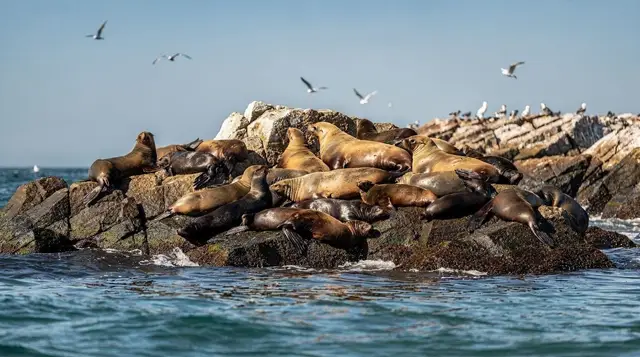
If your interests lean towards marine life more generally, the seal island boat trips guide describes another water-based wildlife outing, and the Cape Town trip planning page helps you decide how all these excursions fit together.
Which suits which visitor
Choose cliff viewing if you want a free, flexible, self-paced experience, or if you’re travelling on a tighter budget or shorter timeframe and can’t fit a longer boat-inclusive day into your Hermanus visit. Choose a boat tour if getting as close as possible matters to you specifically, you’re comfortable on the water, and you’re happy to book ahead and pay for the upgrade. And if your schedule allows a full day at Hermanus, doing both genuinely is the best of everything on offer here.
tours.whales-marine
Verified deep-linked GetYourGuide tours. Book through these links and we earn a small commission at no cost to you.
Photos show the destination, not the operator's own images.