Cape Malay culture and cooking
What is Cape Malay food, and where's the best way to try it?
A distinct cuisine built by a community whose ancestry traces to people enslaved at the Cape and political and religious exiles the Dutch deported from Southeast Asia. Spiced, slow-cooked dishes like bobotie and curries, along with baking traditions like koeksisters, define it. A hands-on cooking class in Bo-Kaap, taught by a resident cook, is a far more substantial way to experience it than a restaurant meal alone.
Cape Malay cuisine is one of the clearest, most welcoming ways to engage with a culture whose roots run through some of the Cape’s hardest history — slavery and colonial exile — and whose living traditions today are anything but a museum piece. Spiced, slow-cooked, and shaped by generations of home cooks rather than restaurant chefs, it’s food built for sharing, and a cooking class in a resident’s kitchen is a genuinely different experience from ordering a dish off a menu. Here’s what defines the cuisine, where it comes from, and how to experience it properly.
| What it is | A distinct cuisine and culture built by the Cape Malay community |
| Roots | Cape slavery and Dutch colonial exile from Southeast Asia, from the mid-1600s onward |
| Best known dishes | Bobotie, slow-cooked curries, pickled fish, koeksisters |
| Where to experience it | Home-based cooking classes, largely centred in Bo-Kaap |
| Best for | Food, culture, and a direct, personal alternative to a standard sightseeing stop |
Where Cape Malay culture comes from
The Cape Malay community traces its ancestry to two overlapping histories: people enslaved at the Cape from the mid-1600s, brought largely from East Africa, Madagascar, India and Southeast Asia, and separately, political and religious figures the Dutch exiled to the Cape from what are now Indonesia, Malaysia and other parts of Southeast Asia. Despite the name, “Cape Malay” doesn’t describe a single place of origin — it describes a community and culture that formed at the Cape itself, shaped by Islamic practice, Southeast Asian culinary influence, and generations of adaptation to local ingredients and circumstances. Understanding that origin matters, because it means the food carries real historical weight, not just flavour.
Cape Malay cooking class in Bo-Kaap puts that history directly in your hands, taught by cooks working from recipes passed through their own families rather than a standardised restaurant menu.
The dishes that define the cuisine
Bobotie, a spiced minced-meat dish baked with an egg-based topping, is the closest thing Cape Malay cooking has to a signature dish recognised outside South Africa, though it’s just one part of a much broader repertoire. Slow-cooked curries — built on layered spice blends rather than a single “curry powder” — reflect the same Southeast Asian influence adapted over generations to Cape ingredients. Pickled fish, prepared with a spiced vinegar marinade, has particular significance around Easter in the Cape Malay Muslim community’s culinary calendar. And koeksisters — plaited dough deep-fried and soaked in syrup — represent the sweeter, baking side of the tradition, distinct from the coconut-coated version found elsewhere in South Africa.
Cape Malay cooking class and lunch in Bo-Kaap extends the experience into a full sit-down meal, useful if you want more than a single dish’s worth of exposure to the cuisine.
Food and the Islamic calendar
Cape Malay food culture is closely tied to the Islamic calendar, and some of its most distinctive dishes are strongly associated with specific religious occasions rather than everyday eating. During Ramadan, dishes like boeber — a sweet, spiced milk pudding with vermicelli and sago — are traditionally prepared for breaking the daily fast, and the period leading up to Eid brings its own wave of baking, including koeksisters and other sweets made in larger batches for sharing with family and neighbours. A cooking class timed around these periods, where possible, offers a genuinely different window into the culture than a standard weekday lesson.
A distinct language history
Cape Malay culture also carries a lesser-known linguistic legacy: in the nineteenth century, some Cape Malay religious teachers wrote Afrikaans using Arabic script, a practice tied to the community’s Islamic education tradition and its use of Arabic for religious literacy. This “Arabic Afrikaans” writing is now recognised as some of the earliest written Afrikaans literature, predating much of the standard Afrikaans literary tradition that came later — a reminder that the community’s contribution to Cape culture runs well beyond food and colourful houses.
Why a cooking class beats a restaurant meal
A restaurant serves Cape Malay food; a home-based cooking class, taught by someone from the community, explains it — the history behind a specific dish, the significance of a spice blend, the family story attached to a particular recipe. That context is exactly what separates genuinely learning about a culture from simply consuming its output, and it’s a more direct, personal form of cultural exchange than most sightseeing stops can offer. It also puts income directly into a home cook’s hands rather than a restaurant business, which matters given the community’s own history of displacement and economic pressure.
Cape Malay culture beyond Bo-Kaap
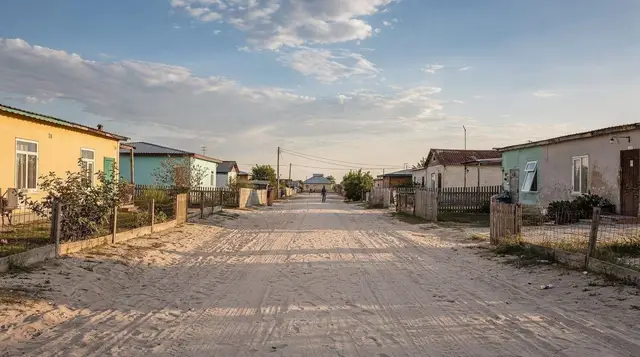
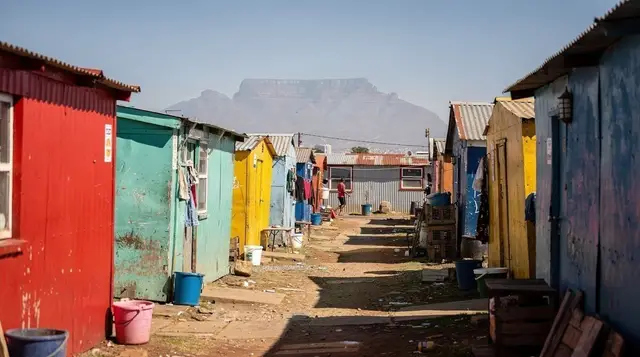
While Bo-Kaap is the best-known centre of Cape Malay culture, cooking experiences connected to this tradition have also developed in other settings, including combined with township visits elsewhere in Cape Town.
Langa township tour with Cape Malay cooking class combines the two, useful if you want to see how the cuisine’s influence extends beyond its historic Bo-Kaap centre, and see the Cape Malay quarter guide for more on Bo-Kaap itself, including the neighbourhood’s own history and the pressures it faces today.
Spices as a through-line
The Dutch East India Company’s presence at the Cape existed in the first place because of the broader spice trade between Europe and Asia, and there’s a certain historical continuity in the fact that the community forcibly connected to that trade — through slavery and exile — went on to build one of the most distinctively spiced cuisines in South Africa. Layered spice blends, developed and refined over generations of home cooking, remain the defining technical skill of Cape Malay cooking, and a class typically spends real time on how these blends are built rather than treating them as a single pre-mixed ingredient.
Combining food with the wider history
Because Cape Malay culture is inseparable from the history of Cape slavery and colonial exile, pairing a cooking class with a walk through Bo-Kaap gives a fuller picture than either alone — the food’s context alongside the streets and community it comes from.
Bo-Kaap and city tour is a practical way to combine both in a single outing if your schedule doesn’t allow for two separate visits.
tours.township-culture
Verified deep-linked GetYourGuide tours. Book through these links and we earn a small commission at no cost to you.
Photos show the destination, not the operator's own images.