Travelling responsibly in Cape Town
Responsible tourism in Cape Town isn’t a separate category of trip so much as a set of choices layered into an ordinary visit — who you book with, how you behave in township neighbourhoods, how you interact with wildlife, and how you use resources like water in a region that’s had genuine scarcity in recent memory. None of it requires sacrificing a good trip; most of it makes the trip better.
| Where it matters most | Township tourism, wildlife encounters, water use |
| Best practice for townships | Go with a local guide, not a self-guided drive-through |
| Best practice with wildlife | Keep distance, follow marked paths and posted guidance |
| Water habits | Still worth practising, even though the crisis has passed |
| Who to support | Locally owned operators and community-run experiences |
Township tourism, done well
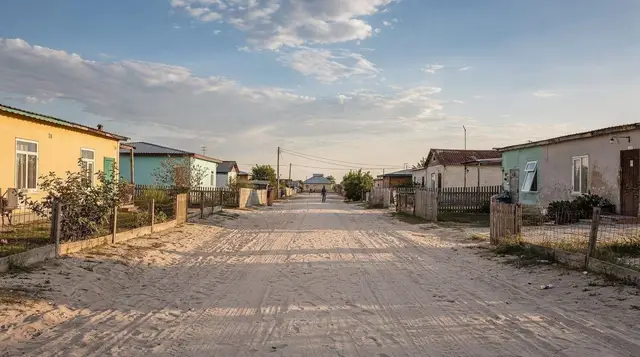
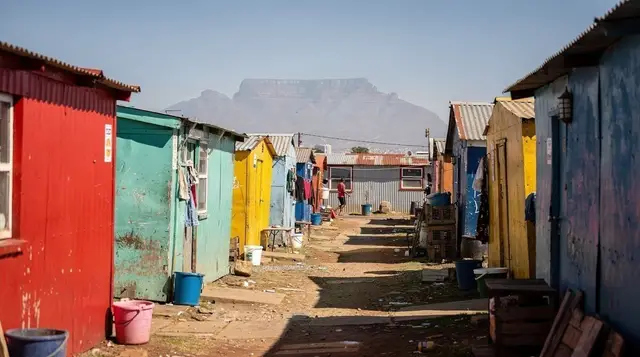
Township visits are a genuine and popular part of Cape Town’s tourism landscape, and they can be a meaningful, respectful way to understand a fuller picture of the city and its history — or they can feel extractive and voyeuristic if done carelessly. The difference largely comes down to how you do it: with a local guide who lives in or has real ties to the community, ideally through an operator with genuine local ownership, rather than a detached drive-through that treats the neighbourhood as scenery.
A guided Langa township tour with a local guide is the standard, well-established way to do this respectfully — a resident guide who can answer honestly, introduce you to actual community members and businesses, and set the tone for appropriate behaviour throughout.
Specific etiquette within townships
Ask before photographing people directly, follow your guide’s lead on where it’s appropriate to walk, and remember you’re moving through people’s actual neighbourhoods and homes, not a themed attraction. Buying from local vendors, artists, and small businesses within the township — rather than treating the visit purely as observation — puts real economic value directly into the community you’re visiting.
A Langa township guided walk and local food tour is a good example of this in practice — your spending goes directly to the food vendors and small businesses you’re actually visiting, rather than to a generic tour operator disconnected from the community itself.
Choosing the right operator
Look for township tour operators with genuine local roots — guides who live in or grew up in the communities they’re showing you, and businesses that channel a meaningful share of proceeds back into the neighbourhood rather than extracting value from it. A cheaper price from a disconnected operator isn’t worth it if it means less benefit actually reaches the community you’re visiting.
An authentic township tour and a township art workshop and walking tour both channel your visit through community-based activities — an art workshop or a genuine walking conversation — that go beyond passive sightseeing into actual engagement and local economic support.
Wildlife and marine encounters
Cape Town’s proximity to genuine wildlife — African penguins at Boulders Beach and Stony Point, southern right whales along the Whale Coast — comes with real responsibility around keeping appropriate distance and following posted guidance. Both penguin colonies are home to an endangered species, and marked boardwalks exist specifically to protect them; staying on the path isn’t bureaucratic caution, it’s a genuine part of their ongoing conservation. Whale watching operators, whether by boat or from shore, generally follow established guidelines on approach distance, and reputable ones are worth prioritising over any that don’t.
Water use, even after the crisis has passed
Cape Town came close to running out of municipal water during the 2017-2018 crisis, and while Day Zero — the point at which taps would have run dry — was ultimately avoided through restrictions and a return of the rains, the experience left a lasting local culture of water-consciousness. Visitors don’t need to be anxious about it, but adopting the same sensible habits locals still practise — shorter showers, not letting taps run unnecessarily — is a small, easy way to respect that shared local history. See what Day Zero left behind for the fuller picture.
Supporting local businesses more broadly
Beyond townships specifically, choosing locally owned guesthouses, restaurants, and tour operators over large international chains puts more of your spending directly into the local economy — a general principle of responsible travel that applies as much in Cape Town as anywhere, and one that’s easy to act on simply by paying attention to who actually owns the places you’re booking.
Asking questions rather than assuming
Some of the most respectful travel happens through genuine curiosity rather than a fixed checklist of do’s and don’ts — asking your guide honest questions about the history, the community, or how a specific tour operates tends to lead to a richer, more honest exchange than approaching the visit purely as a box to tick. Most guides, whether on a township tour or a wine estate visit, are genuinely happy to talk candidly if you show real interest rather than treating the conversation as incidental to the sightseeing.
Responsible tourism as an ongoing practice, not a single choice
None of this is about getting one decision right and considering the job done — it’s a set of small, repeated choices across a trip: which operator you book, how you behave in a specific moment, whether you ask before you photograph. Cumulatively, those choices shape whether tourism in Cape Town genuinely benefits the communities and environment it touches, or simply passes through them.
Frequently asked questions about responsible tourism in Cape Town
Is it okay to visit a township as a tourist?
Yes, when done respectfully — with a local guide, ideally through a community-connected operator, rather than a detached drive-through.
Should I take photos in a township?
Photograph freely with landscapes and public scenes, but ask before photographing people directly — it’s a real, lived-in neighbourhood, not a photo backdrop.
Do I need to worry about water use as a visitor to Cape Town?
Not anxiously, but adopting sensible water habits — shorter showers, not letting taps run — is a small, easy way to respect the city’s still-recent water crisis history.
How do I choose a responsible township tour operator?
Look for operators with genuine local roots — guides who live in or have real ties to the community, and businesses that put meaningful value back into the neighbourhood.
Are Cape Town’s penguin colonies protected?
Yes, African penguins are an endangered species, and marked boardwalks at Boulders Beach and Stony Point exist specifically to protect them.
tours.township-culture
Verified deep-linked GetYourGuide tours. Book through these links and we earn a small commission at no cost to you.
Photos show the destination, not the operator's own images.