Cooking classes worth taking
Which cooking class should I book if I only have time for one?
A Cape Malay cooking class in Bo-Kaap is the strongest single choice — it teaches a genuinely distinctive local cuisine, developed by people brought to the Cape from Southeast Asia during the era of Dutch colonial slavery, and it's usually paired with a walk through the neighbourhood most associated with that history, so you get context alongside the technique.
A good cooking class does something a meal in a restaurant can’t: it explains why a dish is made the way it is, not just how it tastes. Cape Town has several genuinely worthwhile options, ranging from focused Cape Malay technique in Bo-Kaap to broader pan-African formats that combine a market visit with the kitchen itself. Here’s which ones are worth your time.
| Format | Hands-on cooking, usually paired with a market visit or neighbourhood walk |
| Time needed | Typically a half-day, including the meal at the end |
| Best pick | Cape Malay cooking in Bo-Kaap, for a genuinely distinctive local cuisine |
| Best for | Rainy days, food-focused travellers, or anyone wanting more than a meal |
Cape Malay cooking in Bo-Kaap
The strongest single option is a Cape Malay cooking class, ideally paired with time in the Bo-Kaap neighbourhood itself, since the cuisine’s history is inseparable from that community — developed by people brought to the Cape from Southeast Asia during the era of Dutch colonial slavery, and still centred there today. Learning to make a dish like bobotie, with its distinctive spicing and egg custard topping, or koeksisters, the syrup-soaked pastry associated with the tradition, comes with real cultural and historical context in this format rather than being taught as an abstract technique.
This Bo-Kaap walking tour and Cape Malay cooking class combines both elements directly — walking the neighbourhood’s history before or after cooking, rather than treating the class as a standalone kitchen session divorced from where the cuisine actually comes from.
This private walking tour with Cape Malay cooking class and lunch offers a more personalised version of the same format, useful for a smaller group or a family wanting a less shared, more flexible pace.
Pan-African cooking, beyond a single tradition
For a broader survey rather than a focused deep dive into one cuisine, a pan-African format covers a wider range of dishes and techniques from across the continent, usually alongside a market visit to source ingredients first.
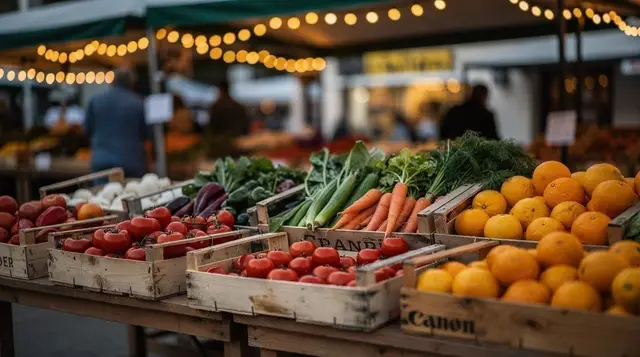
This pan-African cooking class with a market tour works well if you want the market experience — picking ingredients, understanding what’s fresh and seasonal — folded into the cooking itself rather than treated as a separate outing. See the Cape Town food markets guide for more on the market side of that combination.
A taste of Cape Town, condensed
If your time is genuinely limited, a condensed format touches several signature elements of the city’s food in one session rather than focusing deeply on a single cuisine.
This half-day taste of Cape Town cooking experience is the pick for visitors who want a broad, representative introduction rather than specialising in one tradition, useful early in a trip before you’ve decided which cuisine you want to explore further.
A restaurant-kitchen format
For a slightly more polished, restaurant-adjacent setting rather than a home-kitchen or market-based class, a cooking session paired with lunch at an established venue gives a different, more professional-kitchen feel.
This cooking and lunch experience at Spyced suits visitors who’d rather learn in a proper restaurant kitchen setting and finish with a sit-down meal in the same venue, rather than a more casual home-style format.
Combining cooking with wider food culture
Several formats fold the cooking class into a broader food-and-culture outing rather than treating it as a single isolated activity, useful if you want the class to anchor a fuller day rather than standing alone.
This food and culture tour with a cooking class is built around exactly that wider format — cultural context, a broader look at the city’s food traditions, and the hands-on cooking component all in a single booking.
Choosing the right class for your trip
If you only have time for one, prioritise the Cape Malay format — it’s the cuisine most specific to Cape Town, with a history that gives the cooking real meaning rather than being an interchangeable “local cooking class” that could describe any city’s food. If you have time for two, add a pan-African or market-based class for breadth after the Cape Malay depth.
Cape Town food & wine tours on GetYourGuide
Verified deep-linked GetYourGuide tours. Book through these links and we earn a small commission at no cost to you.
Photos show the destination, not the operator's own images.