Two days in Cape Town
Two days gives you room to do the city core properly and add one substantial excursion beyond it, without the single-day version’s pressure to fit everything into a few hours. The trade-off you’re making is choosing one add-on rather than several — this itinerary pairs a flexible Table Mountain morning with Robben Island on day one, then a shortened Cape Point and Boulders Beach run on day two, using organised tours rather than a rental car.
| Best for | A short stopover wanting city plus one real excursion |
| Pace | Day 1: city and Robben Island. Day 2: peninsula highlights |
| Getting around | Tours and taxis — no car needed for this route |
| Booking ahead | Robben Island fills up; book as early as your dates allow |
| Skip if | You want the full Cape Peninsula loop with time to spare — see three days |
Before you arrive
Book your Robben Island crossing as early as you can — capacity is limited and popular time slots sell out, especially in peak season. Because crossings are cancelled outright in rough seas, it’s worth having a rough idea of what you’d do instead on that slot before you land, rather than discovering the cancellation with no backup plan.
Day 1 — Table Mountain (weather permitting), then Robben Island
Check Table Mountain’s operating status first thing. If it’s running and clear, go up before midday — a Table Mountain cableway ticket gets you to the plateau in minutes, and mornings tend to have calmer conditions than later in the day. If the mountain is closed today, don’t wait for it — swap this slot to day 2’s afternoon instead and start the day in the City Bowl and Bo-Kaap.
In the afternoon, head to the V&A Waterfront for your Robben Island crossing. A Robben Island ferry ticket with guided tour covers the boat crossing and the tour of the former prison, often led by a former political prisoner as a guide — it’s a sobering afternoon rather than a scenic one, and worth going in with that expectation. If the crossing is cancelled for sea conditions, most operators offer a rebooking rather than a refund-only outcome; ask about this when you book, and consider Bo-Kaap or the District Six Museum as an alternative use of the afternoon if a rebooking isn’t available before you leave.
Day 2 — Cape Point and Boulders Beach
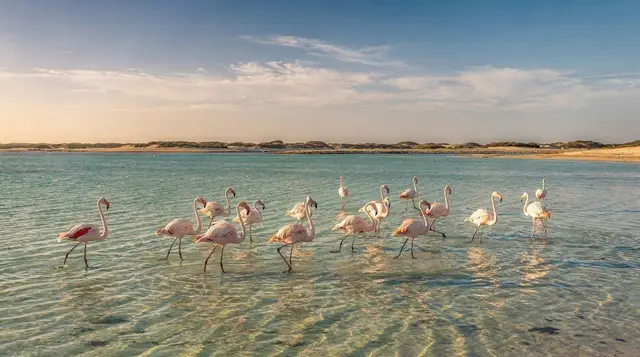
With only two days, the full Cape Peninsula loop (Chapman’s Peak, Hout Bay, Cape Point, Boulders Beach and Simon’s Town) is a tight fit alongside everything else — this itinerary focuses the day on the peninsula’s two clearest highlights instead. A full-day Cape of Good Hope and penguins tour covers Cape Point and Boulders Beach’s African penguin colony at Simon’s Town without the detours a longer loop would add, leaving a bit more breathing room in the day.
If you didn’t get up Table Mountain on day 1 because of weather, check its status again this morning — a tour combining both is worth considering. A half-day Table Mountain and penguin tour is a genuinely efficient way to catch both if the mountain has cleared by day 2 and you’d rather not lose an entire excursion to yesterday’s weather.
If Table Mountain never clears
With only two days, there’s a real chance the cableway stays closed the whole visit. If that happens, don’t force a queue for a view of cloud — spend the freed-up time on a longer Bo-Kaap walk, the District Six Museum, or simply more time at Boulders Beach and Cape Point on day 2. Missing Table Mountain on a short trip is a legitimate reason to come back, not a itinerary failure.
When to do this trip
The seasons run opposite to the northern hemisphere, and it changes what you should expect from a two-day window. Austral summer (December–February) is hot, dry and windy — the southeasterly “Cape Doctor” can close the cableway on an otherwise clear day, so don’t assume a sunny forecast guarantees the summit. Winter (June–August) brings more rain, which mostly affects how comfortable the Cape Point day feels rather than whether it runs at all — the reserve and Boulders Beach both hold up reasonably well in drizzle. Robben Island’s rough-sea cancellations aren’t strictly seasonal, though they’re somewhat more common when the winter swell is up. Either season works for this plan; the main difference is which kind of disruption you’re more likely to be planning around.
Food and evenings
With only two days, don’t overplan dinners. The V&A Waterfront on Day 1 has enough range to cover most tastes without any research, which matters given you’ll likely finish the Robben Island crossing later than expected if the ferry runs behind schedule. After a full peninsula day on Day 2, you’ll probably want something close to wherever you’re staying rather than a destination restaurant — the tour usually drops you back into the city centre by early evening, and a short walk to dinner beats another taxi after a long day outdoors. Keep both evenings light on logistics; the value in a two-day trip is in the two big days themselves, not in optimising every meal around them.
Packing for two very different days
Day 1 stays mostly at sea level and indoors once the mountain’s done, so there’s not much special to plan for beyond comfortable walking shoes. Day 2 is a different story — the peninsula runs noticeably windier and can be several degrees cooler than the city centre, even when the morning looked mild from your hotel window. A light waterproof layer is worth packing regardless of the season, since weather out on the Cape Point reserve can shift faster than it does in town.
Where to base yourself
Somewhere central — the City Bowl, De Waterkant, or the Waterfront itself — keeps both days simple, since day 1 is entirely on foot or a short taxi ride and day 2’s tour will collect you from most central hotels.
Day-by-day summary
| Day | Focus | Don’t miss |
|---|---|---|
| 1 | Table Mountain (if clear), Robben Island | Book Robben Island early; have a backup for cancellation |
| 2 | Cape Point, Boulders Beach | Combine with Table Mountain if day 1’s weather didn’t cooperate |
tours.2 days
Verified deep-linked GetYourGuide tours. Book through these links and we earn a small commission at no cost to you.
Photos show the destination, not the operator's own images.