The V&A Waterfront
What is the V&A Waterfront, and how much time should I give it?
A working harbour precinct turned visitor hub, and the departure point for Robben Island ferries from the Nelson Mandela Gateway. Beyond that, it holds the Two Oceans Aquarium, Zeitz MOCAA contemporary art museum, harbour cruises, and a wide range of shops and restaurants. A few hours covers the basics; a full afternoon into evening lets you add the aquarium or a cruise without rushing.
The V&A Waterfront is Cape Town’s busiest single visitor precinct, and it earns that status honestly — it’s a genuine working harbour, not a manufactured shopping mall dressed up as one, with real fishing and vessel activity alongside the museums, aquarium and restaurants built up around it over the decades. It’s also the departure point for Robben Island, which makes it a near-unavoidable stop for most visitors regardless of how the rest of their trip is planned. Here’s how to make sense of what’s actually there.
| Where | Cape Town’s historic harbour, a short taxi or rideshare from the City Bowl |
| What it is | A working harbour precinct with museums, an aquarium, shops and restaurants |
| Robben Island | Departs here, from the Nelson Mandela Gateway — book well in advance |
| Time needed | A few hours for the basics; a full afternoon to add the aquarium or a cruise |
| Getting there | Walkable from the City Bowl for fit visitors; taxi or rideshare otherwise |
A working harbour, not just an attraction
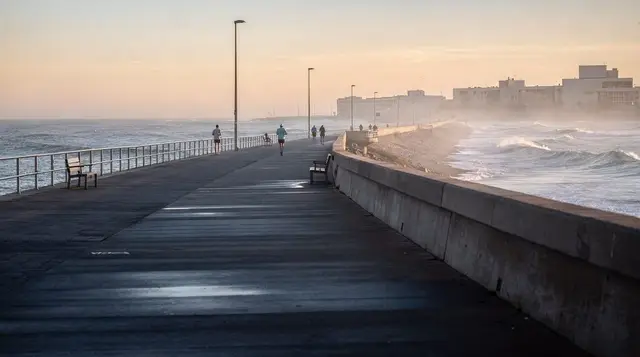
What separates the V&A Waterfront from a purpose-built tourist precinct elsewhere is that the harbour underneath it is real and still working — fishing boats and other vessels use it alongside the visitor traffic, and the older harbour architecture, including the historic Clock Tower, reflects a genuine maritime history rather than a themed reconstruction. Walking the promenade gives a sense of that working history alongside the modern development layered on top of it.
V&A Waterfront guided walking tour is a useful way to have that layered history — harbour, colonial-era trade, and the precinct’s more recent redevelopment — explained properly rather than pieced together from signage.
How the modern precinct came to be
The V&A Waterfront’s transformation from a working-only harbour into today’s mixed visitor precinct began with a major redevelopment effort in the early 1990s, which restored and repurposed much of the historic harbour architecture rather than replacing it wholesale. That approach is part of why the area still feels rooted in its maritime past rather than like a generic modern shopping development — older warehouse buildings, the Clock Tower, and the harbour basins themselves were adapted and reused rather than demolished.
Shopping, dining and everyday Waterfront life
Beyond the specific attractions, the Waterfront is simply one of the more pleasant places in Cape Town to spend unstructured time — a dense concentration of shops, restaurants and cafés along the water, many with harbour or mountain views. It’s a legitimate place to build in downtime on a longer trip, not only a checklist of paid attractions, particularly toward the end of a day when energy for more structured sightseeing has run out.
The Nelson Mandela Gateway and Robben Island
For many visitors, the single most important reason to come to the Waterfront is the Nelson Mandela Gateway, the sole departure point for the ferry to Robben Island. If a Robben Island visit is part of your plan, it needs booking well ahead and building around, since sea conditions can cancel a crossing — see the Robben Island guide for the full detail on how that booking and timing works.
Getting there without a car
Most visitors reach the Waterfront by taxi, rideshare, or a hotel shuttle rather than public transport, and parking within the precinct itself can fill up during busy periods, particularly weekends and around major events. If you’re staying in the City Bowl, factor a short ride into your day’s timing rather than assuming a quick walk-over, and if you’re combining the Waterfront with Robben Island specifically, allow extra buffer time before your ferry slot in case traffic or a parking search runs longer than expected.
The Two Oceans Aquarium and Zeitz MOCAA
The Two Oceans Aquarium, showcasing marine life from the cold Atlantic and warmer Indian Ocean sides of the country’s coastline, is one of the Waterfront’s most popular family stops. A short walk away, Zeitz MOCAA, housed in a striking converted grain silo, holds the strongest contemporary African art collection in the city — see the Cape Town museums guide for how it compares to the city’s other museum options. Both are substantial enough to deserve real time rather than a rushed pass-through if either interests you.
Getting onto the water
Beyond walking the promenade, several operators run short cruises directly from the Waterfront, giving a genuinely different vantage point on both the harbour and the coastline beyond it.
V&A Waterfront one-hour scenic cruise covers a longer stretch of coastline for visitors who want more than the harbour itself, while V&A Waterfront canal cruise with commentary stays within the Waterfront’s own canal system, a shorter and gentler option with guided context along the way.
The Cape Wheel and the view from above
For a quick overview of the harbour and the wider city against Table Mountain’s backdrop, the Cape Wheel gives a straightforward, short vantage point without committing to a longer activity.
Cape Wheel skip-the-line ticket is worth booking ahead specifically to avoid the queue at what is one of the Waterfront’s more popular quick stops.
Evenings at the Waterfront
As the day winds down, the Waterfront’s restaurant and bar scene picks up, and a sunset harbour cruise is a genuinely popular way to close out a day of sightseeing elsewhere in the city.
Waterfront sunset champagne cruise is one option built specifically around that golden-hour timing, worth considering if you’re looking for a relaxed, scenic way to end the day rather than another walking stop.
Views back toward Table Mountain
One of the Waterfront’s more understated pleasures is the view it offers back toward Table Mountain and the City Bowl from across the harbour — a genuinely different angle than the closer, more familiar views from within the City Bowl itself. Late afternoon, with the mountain catching the lower sun, is generally the most rewarding time for this, and it’s worth pausing along the promenade specifically for it rather than treating the walk purely as transit between attractions.
Fitting the Waterfront into a wider day
Because it sits apart from the City Bowl’s other attractions, most visitors treat the Waterfront as a distinct half-day or afternoon slot rather than folding it into a City Bowl walking loop — see the Cape Town in one day guide for how it fits alongside Table Mountain and the City Bowl in a single-day plan.
tours.beaches-coast
Verified deep-linked GetYourGuide tours. Book through these links and we earn a small commission at no cost to you.
Photos show the destination, not the operator's own images.