Camps Bay and Clifton
Should I go to Camps Bay or Clifton?
Camps Bay if you want a restaurant strip, bars, and people-watching alongside the beach. Clifton if you want quieter, more sheltered coves and don't mind walking down (and back up) a fair number of steps to reach them. Both are on the same cold Atlantic coast, so neither is the warm-water option — that's Muizenberg or Fish Hoek, on the other side of the peninsula.
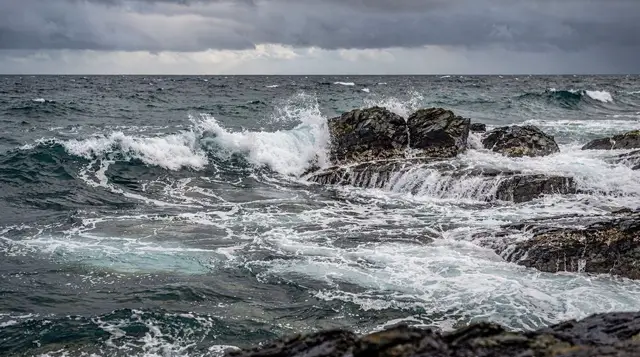
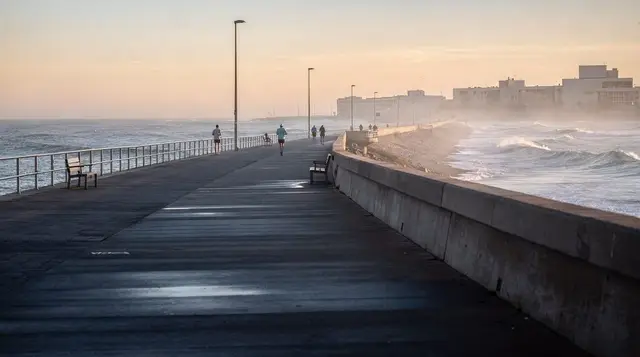
Camps Bay and Clifton sit within a few minutes’ drive of each other on Cape Town’s Atlantic seaboard, backed by the same jagged run of mountains, and visitors often lump them together as one stop. They’re actually quite different experiences. Camps Bay is the beach with the scene — a wide strip of white sand facing a busy road of restaurants, bars, and hotel terraces. Clifton is the beach without one: four separate coves, reached down flights of steps, with granite boulders instead of a promenade. Both share the same cold water and the same afternoon wind, but the atmosphere either side of that line couldn’t be more different.
| Where | Atlantic seaboard, a few minutes apart by car, roughly 10-15 minutes from central Cape Town |
| Time needed | A few hours for either; a half-day if you want to do both plus a proper meal |
| Getting there | Self-drive, taxi/rideshare, or a beaches-focused guided tour |
| Cost | Free beach access; expect to pay for parking, restaurants, or umbrella and chair hire |
| Best time | A calm morning if you want to swim; late afternoon into sunset for the atmosphere, wind allowing |
Camps Bay: the promenade beach
Camps Bay’s defining feature isn’t really the sand — it’s Victoria Road, the palm-lined strip directly across from the beach, packed with restaurants, cocktail bars, and hotel terraces that turn a beach visit into something closer to a proper night out. The beach itself is wide and open, with Lion’s Head rising at one end and the Twelve Apostles running the length of it, which is what makes it Cape Town’s most photographed stretch of coast. Being open and unshielded by boulders, it also catches the wind more directly than Clifton, so if the south-easter is up, expect sand in the air by mid-afternoon.
A sunset catamaran cruise on Table Bay is a good way to see this whole stretch of coastline, Camps Bay included, from the water rather than the sand — particularly if the wind has made the beach itself less appealing that afternoon.
Clifton: four coves, four moods
Clifton splits into four numbered beaches — 1st through 4th — separated by outcrops of granite boulders and reached by steps down from Victoria Road, with no direct road access to the sand itself. That short walk down (and the return climb) keeps the crowd slightly more self-selecting than Camps Bay’s roadside beach, and the boulders themselves offer a bit more shelter from the wind on some coves than the fully open beaches nearby. 4th Beach tends to be the busiest and most social; 1st and 2nd are generally quieter. All four share the same cold water as the rest of the Atlantic seaboard — this isn’t a warmer, more sheltered pocket in that sense, just a more sheltered one from the wind.
A sail-and-swim trip off Clifton lets you get into the water from a boat rather than wading in from the sand, which some visitors find an easier way to handle the cold than a slow walk-in. Kayaking from Clifton is another way to see all four coves from the water in one trip without spending the whole afternoon on the sand.
Cold water, both sides
It’s worth repeating plainly: neither Camps Bay nor Clifton is warm. Both sit on the Atlantic side of the peninsula, in the path of the same cold current that keeps this whole coastline bracing year-round, and it catches people out — the beaches look every bit like a tropical postcard, and the water very much isn’t. If a proper swim is the goal rather than a paddle and a photo, the milder water is on the other side of the peninsula at Muizenberg or Fish Hoek; the full breakdown of Cape Town’s two oceans explains why the split is so sharp and how to plan around it.
The wind factor
The south-easterly Cape Doctor is a genuine planning consideration here, not a minor detail. It’s strongest in summer (December-February), tends to build through the day, and can make an otherwise pleasant afternoon at either beach considerably less comfortable by 3 or 4pm — flapping umbrellas, stinging sand, choppier water close to shore. Mornings are reliably calmer at both Camps Bay and Clifton, so if your schedule allows it, an early beach session followed by a sunset drink back on Victoria Road once the wind has dropped a little is a solid pattern.
A luxury sunset sail from the V&A Waterfront passes this stretch of coast and is worth considering as an alternative to a beach-based sunset if the wind has made the sand unappealing.
Facilities and parking
Camps Bay has the easier logistics of the two: metered parking along Victoria Road (which fills up fast on a warm weekend), plus every facility you’d want a short walk from the sand, from toilets and showers to the entire restaurant strip if you’ve forgotten anything. Clifton is more basic by design — a handful of small parking areas near the top of the steps down to each beach, limited facilities on the sand itself, and no roadside strip to fall back on, so it’s worth bringing what you need rather than expecting to buy it once you’re down on the beach. Arriving early, particularly at Clifton, makes a real difference to whether you find parking near the beach you actually want.
A sensible day plan
For a first visit to both, mornings suit Clifton better — calmer, cooler, and the walk down the steps is more pleasant before the day heats up — while Camps Bay comes into its own as the afternoon turns to evening and the restaurant strip fills up. That order also works with the wind: doing the more exposed Camps Bay beach session earlier and saving the restaurant-and-sunset part of the day for when the wind (if it’s blowing) has usually eased slightly, avoids the least comfortable stretch of a windy afternoon on open sand.
Getting between them, and a boat option for both
Camps Bay and Clifton are close enough that doing both in one visit is entirely reasonable — a short drive or an easy taxi hop separates them, and parking is the main variable to plan around rather than distance. For a different angle on the coves entirely, this boat cruise with a barbecue off 4th Beach combines a look at the coastline from the water with a meal, without needing a table on Victoria Road at all.
tours.beaches-coast
Verified deep-linked GetYourGuide tours. Book through these links and we earn a small commission at no cost to you.
Photos show the destination, not the operator's own images.