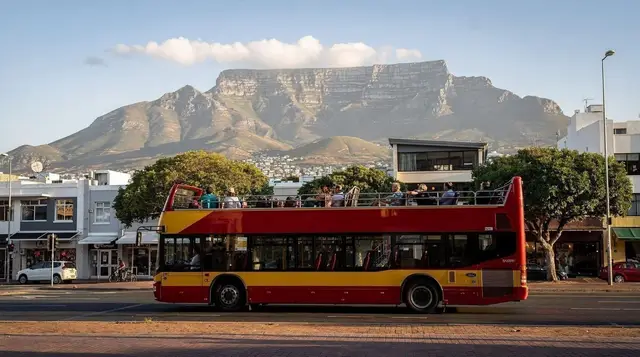
Working remotely from Cape Town
Cape Town has become a genuinely popular base for remote workers, and it’s easy to see why once you’re here — mountain and ocean scenery a short walk from a decent coffee shop, a large English-speaking talent and expat community, and a cost of living that stretches noticeably further than most Western cities for anyone earning in a stronger currency. The one thing that separates a good stay from a frustrating one is planning around load-shedding properly rather than assuming the power will simply stay on.
| Biggest practical risk | Load-shedding disrupting calls or deep-work blocks |
| What actually matters when choosing where to stay | A UPS or generator on-site, not just fast wifi |
| Best neighbourhoods for remote work | City Bowl, Sea Point, Woodstock, Green Point |
| Time zone | SAST, UTC+2 — convenient overlap with European working hours |
| Coworking scene | Established and genuinely good, concentrated in the City Bowl and surrounds |
Load-shedding — the thing to actually plan around
Scheduled power cuts, known as load-shedding, are a real and ongoing part of life across South Africa, including Cape Town. The intensity and frequency vary over time rather than following a fixed pattern, so don’t plan around a specific schedule you’ve read somewhere — it may well have changed by the time you land. What matters practically is checking, before you book accommodation, whether the property has a UPS (uninterruptible power supply) or backup generator that keeps wifi and lighting running through an outage. Many guesthouses, hotels, and coworking spaces in Cape Town now have this as standard, precisely because it’s become a basic expectation for remote workers and local businesses alike — but it’s still worth confirming rather than assuming.
Local load-shedding tracking apps are widely used and worth installing once you arrive, so you can plan calls and focused work blocks around scheduled outages rather than being caught mid-meeting.
Internet reliability
Fibre internet in the well-connected residential and coworking neighbourhoods is generally fast and reliable when the power is on — the connection itself isn’t usually the weak link, the power supply is. A mobile data backup (a local SIM with a generous data allowance) is worth having regardless, both as a load-shedding failsafe and for working from cafés or coworking spaces with less reliable connections. See SIM cards and staying online in Cape Town for the practical setup.
Where to base yourself
The City Bowl offers the most walkable mix of cafés, coworking spaces, and city life, with a genuine buzz that suits remote workers who like working around other people. Sea Point and Green Point sit slightly further out but offer a calmer, more residential base with easy access to the Atlantic promenade for a walk between calls. Woodstock has become a notable creative and coworking hub in its own right, with a concentration of design studios and cafés that lean into a work-friendly atmosphere. Camps Bay and the Atlantic Seaboard suburbs are beautiful but more spread out and car-dependent, better suited to weekends than a working-week base.
A private airport transfer is worth arranging for the arrival day, particularly if you’re landing with work equipment and want a straightforward, no-negotiation route to your accommodation rather than navigating the arrivals hall after a long flight.
Coworking spaces and cafés
Cape Town’s coworking scene is genuinely well developed, with established spaces across the City Bowl, Woodstock, and Sea Point offering day passes as well as longer memberships — a sensible option if consistent power and internet matter more to your work than a rotating café circuit. Specialty coffee culture is strong here, and a fair number of cafés are set up with remote workers in mind, though peak morning hours can get crowded with laptops at the more popular spots.
A coffee masterclass is a genuinely enjoyable way to spend a slower afternoon off, and doubles as an introduction to some of the city’s better independent coffee spots if you’re planning to work from cafés during your stay.
Time zone advantage
South African Standard Time (SAST) is UTC+2 year-round, with no daylight saving adjustments to track. That puts Cape Town in a comfortable overlap with most of Europe’s working day and a workable, if early or late, overlap with parts of North America — a genuine advantage over destinations further from European and US time zones for anyone needing regular calls with either region.
Visas and how long you can actually stay
Visa requirements and permitted stay lengths depend entirely on your nationality and change over time, so check current requirements for your passport directly with South African immigration authorities or your nearest consulate before finalising a longer stay — don’t rely on a fixed number from any travel blog, this one included, since visa rules are exactly the kind of detail that shifts without much notice.
Balancing work with actually seeing the city
The temptation with a longer remote-work stay is to treat Cape Town as just a nicer backdrop for the same laptop routine — worth resisting. Blocking out real time for Table Mountain, the peninsula, and at least one Winelands day pays off far more than squeezing them into rushed weekend hours between video calls.
A half-day city tour in your first week is a genuinely useful investment even for a longer-stay remote worker — it builds a working mental map of the city faster than piecing it together café by café over your first few weekends.
Frequently asked questions about remote work in Cape Town
Is Cape Town good for digital nomads?
Yes, broadly — good coffee and coworking culture, a strong English-speaking base, and a useful time-zone overlap with Europe. The main planning consideration is load-shedding, not internet quality itself.
How do I deal with load-shedding while working?
Book accommodation with a UPS or generator, install a local load-shedding tracking app, and keep a mobile data SIM as backup for connectivity during outages.
What’s the best neighbourhood for remote workers in Cape Town?
The City Bowl for walkability and buzz, Sea Point or Green Point for a calmer residential base, Woodstock for a creative coworking scene.
Do I need a visa to work remotely from Cape Town?
Requirements depend on your nationality and change over time — check directly with South African immigration authorities or your nearest consulate before finalising a longer stay.
Is Cape Town’s internet reliable?
Fibre connections in well-connected neighbourhoods are generally fast when the power is on; load-shedding, not the connection itself, is the more common disruption.
Trip-planning essentials on GetYourGuide
Verified deep-linked GetYourGuide tours. Book through these links and we earn a small commission at no cost to you.
Photos show the destination, not the operator's own images.